Essential oils for the bath: how to use them, what are their benefits?
Essential oils are concentrated aromatic substances derived from plants. They are widely used in saunas and steam rooms due to their numerous beneficial properties. Using extracts in saunas and steam rooms has a positive effect on health and mood, helping to relax and relieve stress. In this article, we’ll discuss how essential oils affect the body and how to use them to maximize their benefits.
Benefits of essential oil
Using extracts in a sauna isn’t just a pleasant addition to the treatment, but also a powerful tool for improving health and well-being. It’s difficult to overestimate the benefits of oils in a sauna; they have a positive effect on organs and systems, as well as emotional and physical well-being:
- Improve respiratory function. Eucalyptus, mint, pine, and tea tree have excellent anti-inflammatory and antiseptic properties. Inhaling their vapors clears the airways and reduces nasal congestion.
- Relax muscles. Lavender, rosemary, and juniper extracts help relieve muscle tension and spasms, improve circulation, and accelerate recovery from injuries. Baths with these oils are especially popular with athletes and people whose work involves heavy physical labor.
- Normalize the psycho-emotional state. Aromatherapy reduces stress levels, improves mood, improves sleep quality, and helps combat stress.
- Boost the immune system. Lemon, tea tree, and eucalyptus oils increase the body’s resistance to infection and have an antibacterial effect.
- They improve circulation and help remove harmful substances from the body. Plant extracts improve blood circulation, accelerate metabolism, and eliminate toxins.
Essential oils in the sauna will only be beneficial if used correctly. Use essential oils with caution, following the recommended dosage, and taking into account personal preferences. Dilute extracts before applying to the skin, and always perform a sensitivity test. Pregnant women, people with chronic illnesses, or those with allergies are advised to consult a doctor before using aromatic additives in the sauna.
Proper use of oils can enhance the healing effects of sauna treatments, helping to achieve harmony between body and soul. Experiment with different scents to find the ones that suit you best.
Types of essential oil

Extracts are widely used to create a pleasant atmosphere and improve well-being. Here are some popular types of essential oils for saunas and their properties:
Eucalyptus has cleansing and antiseptic properties, helping with respiratory ailments. Its refreshing aroma invigorates and helps restore psycho-emotional balance.
Lavender is known for its calming and relaxing properties. It helps relieve stress, improve sleep, and reduce headaches. It’s ideal for evening bathing.
Mint refreshes and tones, helps relieve muscle tension, improves concentration and mental activity.
Fir and pine oils have antiseptic properties, freshen the air, and strengthen the immune system. The pine aroma creates a forest atmosphere in the sauna.
Orange oil invigorates, lifts the mood, energizes, and helps improve circulation.
Juniper oil improves mental alertness, productivity, and concentration. It has antibacterial and anti-inflammatory properties.
By combining various extracts, you can create unique aromatic compositions to maximize the enjoyment and benefits of your sauna experience.
How to use essential oil in a bath?
Using essential oils in the sauna creates a pleasant atmosphere and provides additional health benefits. Extracts are used for aromatherapy, bath whisk soaking, inhalations, and many other treatments. Let’s look at how to use essential oils in the sauna.
Aromatherapy. A few drops of extract diluted in warm water and poured onto the stones will create fragrant steam in the steam room. A diffuser or aroma lamp can be used in the anteroom to create a relaxing atmosphere.
Wall application. Mix 5-10 drops of essential oil with water and spray it on the wooden walls of the sauna. This will not only fill the room with your favorite aroma but also help disinfect the surfaces. Do not apply the oil directly, as it can damage the wood.
Soaking the bath whisk. Add 5-10 drops of extract to the water in which you soak the bath whisk before use. This will enhance the aroma and healing properties of the whisk. Choose extracts that complement the properties of the bath whisk. For example, eucalyptus oil is suitable for an oak bath whisk, while fir oil is suitable for a birch bath whisk.
Inhalation. Place 1-2 drops of extract on a towel and inhale the aroma while relaxing between steam baths.
Foot baths. Add a few drops of essential oil to a basin of warm water for a relaxing foot bath.
Adding to steam water
Adding essential oils to steam water is a great way to enrich the sauna experience and enhance the healing effects of the treatment. However, it’s important to do this correctly to maximize the benefits and avoid any potential negative effects.
Choose pure, high-quality extracts without additives. The most popular options for use in the sauna include eucalyptus, mint, fir, lavender, rosemary, juniper, and tea tree.
Extracts are not water-soluble, so they must be diluted before use. Otherwise, essential oils can cause burns upon direct contact with the skin. How do you dilute essential oil for a sauna? Mix 3-10 drops of extract with 1 tablespoon of base oil (such as olive or almond). Add the resulting mixture to a liter of warm water and stir well.
For a sauna with a steam room up to 6 m² (6 sq. m), use 3-5 drops of essential oil per liter of water. For a medium-sized sauna (6-10 m²), use 5-7 drops per liter of water. For spacious saunas over 10 m² (10 sq. m), add 7-10 drops of extract per liter of water. Prepare the solution immediately before use; do not store it for long periods of time, as this can lead to deterioration of the oils and bacterial growth.
Experiment with different oil combinations to create unique scents. Pay attention to your body’s reaction and choose the extracts that bring the greatest pleasure and benefit.
For relaxation, use lavender and chamomile. Rosemary and mint are also good for invigorating. Tea tree and eucalyptus are great for cleansing the skin. Orange and bergamot extracts will help improve your mood.
Important! Pour the solution onto the stones gradually; don’t dump everything you’ve prepared at once. Start with a small amount and increase it as needed.
Use with salt and other additives

Combining essential oils with salt and other additives in the sauna opens up new possibilities for improving skin condition and overall well-being. By experimenting with different combinations of extracts and natural additives, you can create the perfect sauna ritual that will delight and benefit your skin and body.
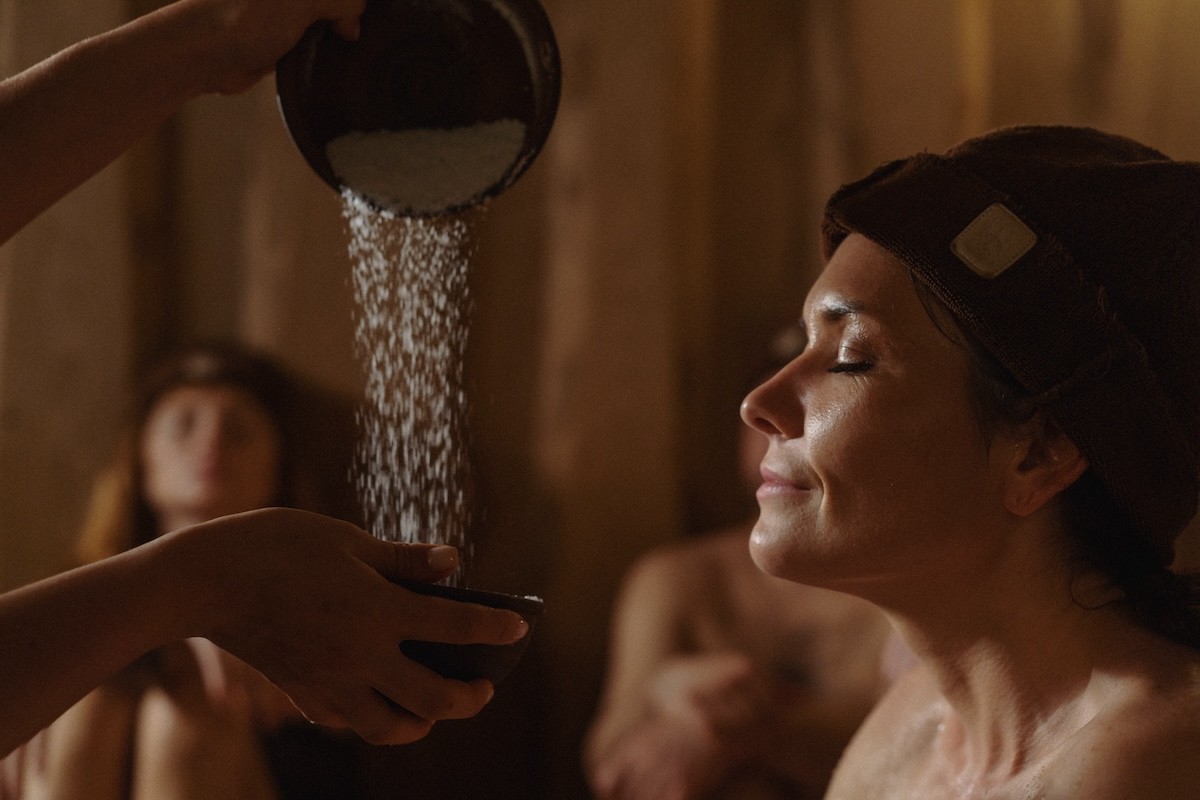
Using essential oils with salt is ideal for aromatherapy and exfoliation. Mix 1 kg of sea or Himalayan salt with 15-20 drops of your favorite essential oil. Add the mixture to a bucket of warm water before entering the sauna. Apply to the skin during sauna treatments for deep cleansing and toning.
Honey blends are excellent for nourishing and moisturizing the skin. Making this mask is simple: mix 2 tablespoons of honey with 5-7 drops of extract. Apply to steamed skin for 10-15 minutes.
Ice cubes with essential oils are great for contrast treatments. Pour water into ice cube trays and add 1-2 drops of extract. Freeze and use for contrast treatments after a sauna.
Use during massages and wraps
Using essential oils in massages and wraps is an effective way to improve circulation, strengthen the skin, and promote overall health. The combination of warmth, aromatherapy, and tactile stimulation creates a unique combination of treatments that promotes deep relaxation and restoration. Regular use of these treatments helps improve skin condition, normalize blood and lymph circulation, reduce stress, and strengthen the immune system.
Massage treatments use a blend of essential oils rather than pure essential oils. Add 5-7 drops of essential oil to 30 ml of base oil (almond, coconut, or jojoba). For a more intense effect, combine 2-3 oils. Mint, grapefruit, and lemon are excellent additions to a toning massage. Lavender, ylang-ylang, and chamomile are best for relaxation and rejuvenation. For a warming massage, we recommend rosemary, ginger, or black pepper extracts.
An essential oil massage is best performed after your first visit to the steam room. Apply the oil using gentle, circular motions, paying particular attention to problem areas.
For the wrap, prepare the mixture: add 10-15 drops of essential oil to 200 grams of the base (clay, honey, or seaweed). Dilute with warm water to the desired consistency. Apply the mixture to clean, steamed skin. Wrap your body in plastic wrap and cover with a warm towel. Leave on for 20-30 minutes, then rinse with warm water. Afterward, apply a moisturizer.
Orange, juniper, and grapefruit can help combat cellulite. For a moisturizing wrap, choose lavender, geranium, or ylang-ylang.
Where can I steam with essential oils?

The Siberia bath and spa complex makes extensive use of natural essential oils derived from Siberian plants. They boast a powerful healing effect, characteristic of the harsh Siberian nature. These oils are true natural healers, capturing the power of the Siberian taiga, and their aroma is like a teleporter transporting you to the heart of wilderness.
The harsh Siberian climate forces plants to produce more protective components, making our extracts especially effective. We use only plants grown far from industrial zones, in ecologically clean areas, guaranteeing the absence of harmful impurities.
Juniper is a symbol of Siberian resilience. A powerful antiseptic, it helps clear the respiratory tract and strengthen the immune system.
St. John’s wort, known as «Siberian ginseng,» is renowned for its calming and regenerative properties. Its extract relieves tension, improves mood, and accelerates the healing of minor wounds.
Fir oil is the quintessence of the Siberian taiga. It has anti-inflammatory properties and helps with muscle pain and joint problems. The aroma of fir in the sauna transports you to a dense pine forest, imparting a feeling of freshness and invigoration.
Fir mint is a unique Siberian plant, distinguished from common mint by its rich aroma and powerful effects. Fir mint extract refreshes, invigorates, helps with headaches, and improves concentration.
Siberian cedar is a symbol of strength and longevity. Its extract has antiseptic and restorative properties. It helps cleanse the body of toxins, strengthen the immune system, and improve respiratory function.
A stay at the Siberia sauna complex is more than just a treatment; it’s a true journey into the world of pristine nature. It offers the opportunity to connect with the ancient traditions of Siberian healing and experience the strength and power of taiga plants.
Conclusion
Essential oils are a great way to make your sauna experience more enjoyable and beneficial for your health. Proper use of aromatic extracts can improve your well-being, help you relax or, conversely, invigorate, and enhance the healing effects of sauna treatments.
It’s important not to exceed the recommended dosage of extracts, as concentrated essential oils can cause irritation. Before using a new oil, conduct a patch test for an allergy.