The best tea for a sauna: which one to choose?
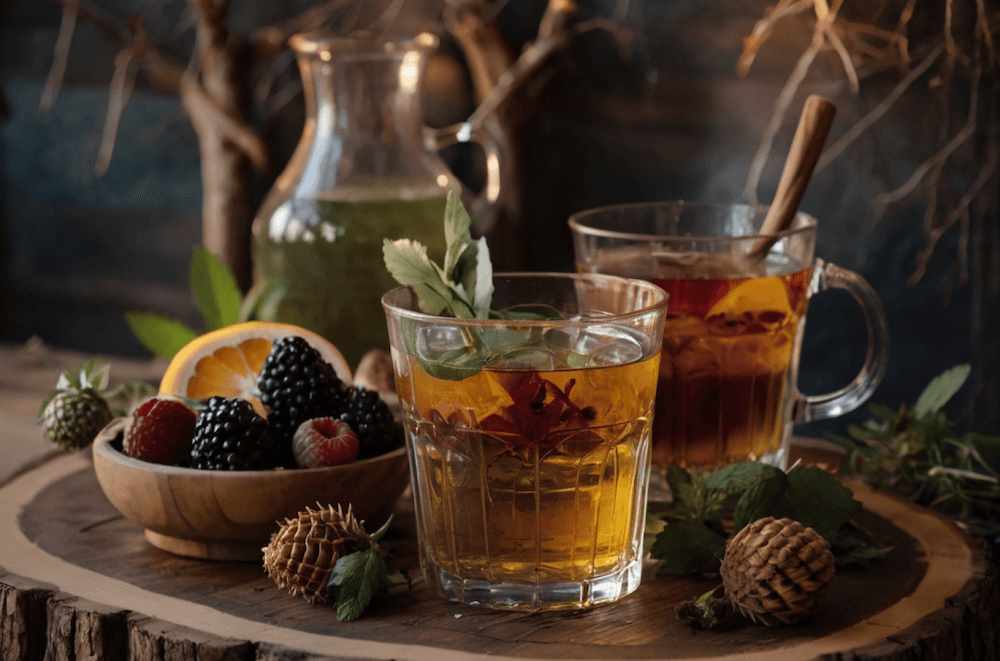
For many, the banya ceremony is associated not only with steam and bathing whisks, but also with the special ritual of tea drinking that concludes the steam bath. Tea in the banya is more than just a thirst-quenching beverage; it’s a cultural experience that brings pleasure and can enhance the healing effects of the bathhouse. However, choosing the right tea—one that will refresh you, create a cozy atmosphere, and provide additional benefits—can be a challenging task.
In this article, we’ll discuss tea drinks ideal for the banya, from traditional black and green varieties to herbal blends, so everyone can find a drink to suit their taste and needs. We’ll share recipes for healthy tea blends, reveal the secrets of proper brewing, and delve into the intricacies of banya tea culture. So, get your bath whisk ready and stock up on tea, because a fascinating journey into a world of flavors and aromas awaits you.
The History of Banya Tea
The tradition of drinking beverages in the banya dates back to Ancient Rus’. The first mentions of it appear in chronicles from the 10th and 11th centuries. At that time, after bathing rituals, people drank herbal infusions, berry fruit drinks, and honey drinks. These were believed to have healing properties and help restore strength after the steam bath.
In the 18th century, tea imports from China were established in Rus’, and the nobility began to hold tea ceremonies not only at home but also in the banya. The drink symbolized friendship and hospitality, and when combined with steam, it created a cozy atmosphere. It wasn’t until the second half of the 19th century that tea became widely available. Gradually, tea ceremonies became increasingly popular, and the banya remained an important part of Russian life.
In ancient times, it was believed that the steam bath cleansed the body, while tea filled the soul. The combination of these two pleasures became a true ritual that continues to this day. Today, drinking tea in the banya is not only an opportunity to relax but also a wonderful way to spend time with friends, enjoy aromatic drinks, and improve your health.
Traditions and rituals of bathhouse tea drinking

When people think of a Russian banya, steam, a whisk, and, of course, aromatic tea immediately come to mind. The tradition of drinking tea in the banya has deep roots. In the old days, after the steam room, people would gather around the table to discuss the latest news, share secrets, and enjoy each other’s company. Tea was prepared from herbs and berries gathered in the forest.
Before the tea ceremony, it was customary to offer words of gratitude for the water and warmth. In folklore, you can find the line, «Where there is water, there is life,» emphasizing the importance of water in our lives. There was a ritual of «taking the first sip»—it was offered to the spirits of nature or ancestors so that they would bless those gathered.
With the advent of tea leaves, new tea traditions began to emerge in Russia. Tea drinking was incomplete without a samovar and treats: fruit, cheesecakes, pies, bread with jam. In the 19th century, waffles, candies, and marmalade began to be served with tea. Tea was also drunk with pickled lemons and cucumbers.
Different regions of the country had their own unique tea-drinking traditions. For example, in the Russian North, wild herbs and berries were added to tea, which gave the drink a special aroma. In Siberia, strong black tea with salt and honey was preferred.
Anton Pavlovich Chekhov said, «Tea is a way of life. Tea embodies harmony, peace, and tranquility.» It is likely due to these properties of the drink that tea traditions have survived to this day. Of course, they have changed, but the atmosphere of banya tea drinking remains the same.
The benefits of banya tea drinking

Drinking tea in a banya is a true health boon. Properly chosen beverages have a positive effect on both physical and psychological well-being. The variety of teas allows you to choose the beverage whose beneficial properties are most important to you. For example, green tea is rich in antioxidants and strengthens the immune system. Black tea with lemon and honey is a great thirst quencher. Traditional Russian raspberry tea is not only delicious but also helps with colds thanks to its anti-inflammatory properties.
Herbal teas have invigorating, calming, and anti-stress properties, which is especially important after intense sauna sessions. Ginger tea is helpful for colds and flu, and rosehip infusions are rich in vitamin C and help strengthen blood vessel walls. Guests of Siberia can experience the benefits of berry and herbal infusions by trying a signature blend at the «Nomad» banya. This aromatic tea made from currant leaves, rose hips, apples, flowers, and herbs is rich in vitamin C and other beneficial substances, has a general strengthening and immune-boosting effect, and is an effective cold preventative.
It has been scientifically proven that regular tea consumption in the sauna promotes:
improved blood circulation and oxygenation;
relieved muscle tension and relaxation;
increased immunity and stress resistance;
restored mental balance;
detoxification;
improved digestion and metabolism;
reduced risk of cardiovascular disease, diabetes, and certain types of cancer.
Tea drinking culture in the sauna

Historically, the banya was a place not only for physical cleansing but also for socializing, relaxation, and even spiritual renewal. People gathered here to discuss business, share news, and unwind. Tea in the banya became a symbol of comfort and warmth. It was drunk bitter, strongly brewed, with honey or jam—this way, the drink quenched thirst better.
Traditionally, tea was brewed in a special teapot and served in small cups. Copper or silver trays, napkins, and even special teaspoons were essential attributes for tea drinking.
Tea drinking also had its own rules: people sipped the drink slowly, savoring every sip and the atmosphere around them, sharing impressions of the steam bath, and discussing business and news.
Accessories and Serving
A traditional tea party in the banya requires several accessories:
A samovar or teapot is a traditional vessel for boiling water. A samovar is not only convenient but also creates a special atmosphere.
Cups — It’s best to use small ceramic or porcelain ones to ensure the tea retains a comfortable temperature and aroma.
Teapot trivet. A juniper trivet will fill the relaxation room with the scent of freshness and forest.
Honey or jam spoons.
Wooden boards or wicker baskets with snacks are suitable for serving — they will add a cozy feel.
What teas to drink in a sauna

Tea in a sauna is more than just a hot drink; it’s an opportunity to improve your health, relax, and enjoy the process. The variety of herbal, green, and black teas will allow everyone to find something to suit their taste.
Herbal Teas
Herbal tea drinks are an excellent choice for a sauna. They have numerous beneficial properties that support the body’s cleansing and restoration processes. Let’s look at a few popular herbal teas and their benefits:
- Mint.
One of the most refreshing and aromatic herbal teas. It has invigorating and anti-stress properties. It helps relieve tension, improves circulation and digestion. It quenches thirst well in the steam room.
Brewing recipe: Take 1-2 teaspoons of dried mint leaves and pour 200 ml of water heated to 85-95 degrees Celsius (175-205 degrees Fahrenheit). Let it steep for 10-15 minutes, covered. Strain and add honey to taste.
- Chamomile. Known for its calming, anti-inflammatory, and antiseptic properties, it helps relieve muscle tension and improve sleep. Ideal for those seeking relaxation and stress relief.
Brewing Instructions: Take 1 tablespoon of dried chamomile flowers and pour 200 ml of boiling water over them. Let it steep, covered, for 10 minutes. Strain and add lemon to taste.
- Lemon Balm Tea
It has a light lemon aroma. It promotes relaxation and reduces anxiety and stress. It improves sleep quality, elevates mood, and strengthens the nervous system.
Brewing Instructions: Take 1 tablespoon of dried lemon balm and pour 200 ml of water at 90-100 degrees Celsius (204-212 degrees Fahrenheit). Let it steep, covered, for 10 minutes. Strain before drinking.
- Infusions based on fireweed, St. John’s wort, oregano, and other herbs.
Rich in vitamins, minerals, and biologically active substances that have a beneficial effect on the body. For example, the «Flower» blend, which you can try at the Siberia bath and spa complex, is a source of lightness and good mood. A blend of medicinal and wild plants with the addition of cherry and raspberry leaves will instill calm without drowsiness and maintain mental clarity throughout the day.
Green tea

One of the most popular drinks in the world, it’s perfect for drinking in the banya. It contains a large amount of antioxidants, including catechins, which help neutralize free radicals and improve overall health. It’s rich in vitamins, minerals, and polyphenols, which have beneficial effects on health. It promotes cardiovascular health and helps fight inflammation in the body.
Black Tea
This classic tea can also be a great companion during a visit to the banya. It contains caffeine, making it a good choice for those looking for a little pick-me-up. Black tea has a stimulating and energizing effect. It increases productivity, improves concentration, and lifts mood.
Although black tea is less rich in antioxidants than green tea, its rich flavor and invigorating effect make it a popular choice among many tea lovers.
Healthy Banya Drink Recipes

For bath tea, you can prepare not only classic herbal and fruit infusions but also more complex invigorating blends:
Refreshing Mint-Berry Drink
Ingredients: fresh mint, berries (raspberries, strawberries, blueberries), lemon, honey.
Preparation: Wash and chop the mint. Add the berries, sliced lemon, and honey to taste. Pour boiling water over the mixture and let it steep for 5-10 minutes. Strain and serve chilled.
Invigorating Ginger-Lemon Tea
Ingredients: fresh ginger, lemon, honey, cinnamon.
Preparation: Grate the ginger, add sliced lemon, honey, and a pinch of cinnamon. Pour boiling water over the mixture and let it steep for 10-15 minutes. Strain and serve warm.
Tips for making tea for the sauna

To ensure that your tea in the sauna is as beneficial and delicious as possible, it’s important to follow a few simple rules:
- Use only fresh, high-quality ingredients. Choose organic herbs grown without chemicals.
- Maintain the optimal brewing temperature. For herbal tea, it should be 80-90°C, for green tea 70-80°C, and for black tea 90-100°C.
- Take your time brewing. Let the tea steep for 5-10 minutes to allow the full flavor and aroma to develop.
- Use appropriate teaware. Ceramic, glass, or clay teapots are best.
- Don’t forget about the serving. Beautifully presented tea, paired with appropriate accessories (cups, trays, napkins), will help create a cozy, relaxing atmosphere.
- Add honey, lemon, or other ingredients to taste to enhance the beneficial properties of the drink.
Conclusion
Drinking tea in a banya is an important part of a wellness ritual. The right tea not only quenches your thirst but also enhances the beneficial effects of the banya on the body, helping to achieve harmony between body and spirit. Experiment with different varieties and recipes, but always use in moderation, follow the tea consumption recommendations, and listen to your body.
Remember that drinking tea in a banya isn’t just about taste; it’s also about creating a special atmosphere conducive to relaxation and restoration. Let every tea experience in a banya be a moment of pleasure and health benefits. Discover new flavors, share your experiences with friends and family, and may the tradition of tea in a banya bring even more joy into your life.