Rules for visiting a Russian banya: what can and cannot be done?

The Russian banya is an important part of cultural heritage. A unique place that unites centuries-old traditions and customs passed down from generation to generation. It is a space where not only the body but also the soul is purified, where one can rejuvenate, relieve stress, and find harmony. A banya evokes a unique atmosphere of oneness with nature. The air is filled with the aromas of herbs and wood, while the heat and steam create a unique microclimate that has a positive effect on health.
From time immemorial, the banya in Rus’ was considered a place of power, where people not only washed but also socialized, shared news and concerns, relaxed, and healed. It was in the banya that many traditions were born, culture was formed, and the wisdom of ancestors was passed down.
Today, as the pace of life quickens and stress becomes an integral part of life, the Russian banya is once again gaining popularity. But to get the most benefit and pleasure from bathing, it is important to know and follow certain rules that will help avoid problems and make your stay beneficial and enjoyable.
Rules for visiting a Russian banya

The Russian banya has its own traditions and customs that have evolved over centuries. Traditionally, people went to the banya on Saturdays, after the work week. It was a kind of celebration of cleanliness and relaxation. Before entering the steam room, it was customary to rinse with cool water to prepare the body for the heat. The steam room was kept clean and tidy; making noise, swearing, or behaving inappropriately was not accepted. The banya was considered a place where not only physical but also spiritual impurities were washed away. After the steam room, it was necessary to plunge into cold water or go outside to cool down and strengthen the body.
An atmosphere of friendliness and respect reigned in the banya. Everyone was equal, regardless of social status or position. The banya brought people together, helped them find common ground, and maintain good neighborly relations.
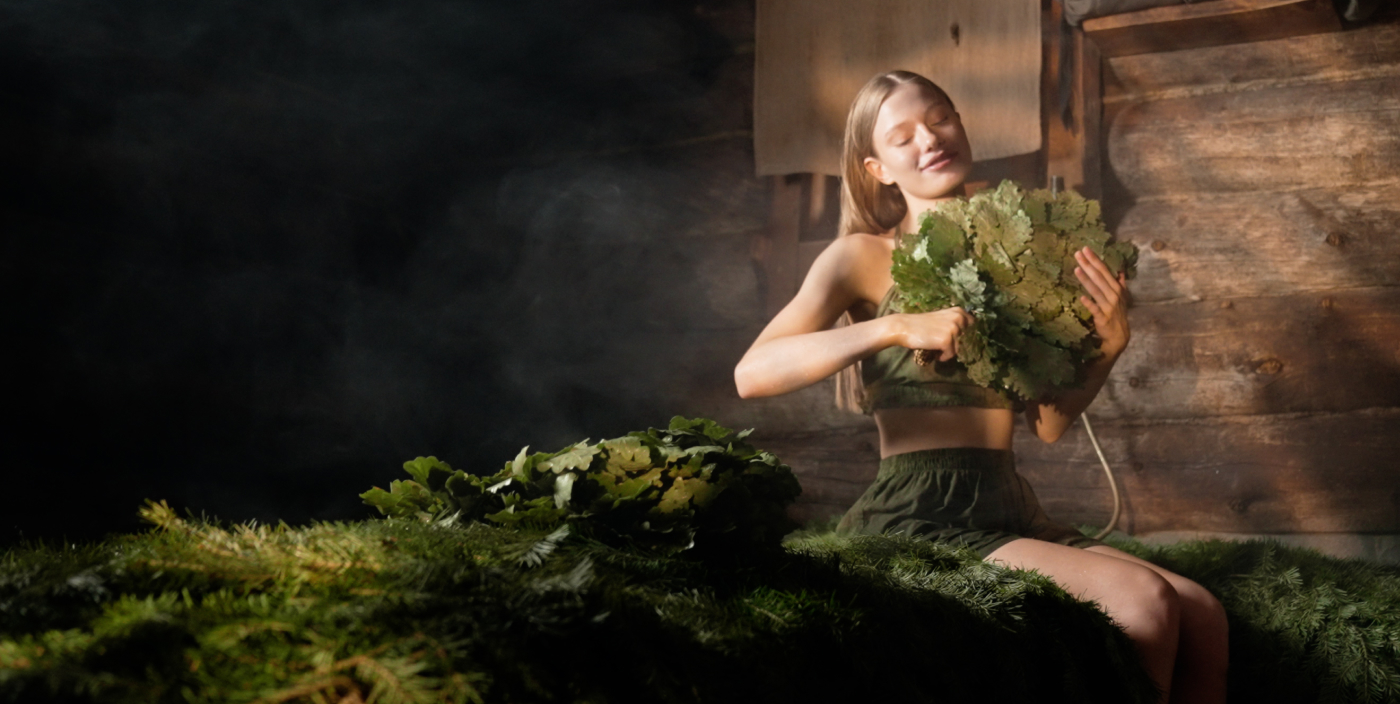
One of the important traditions was and remains the use of a birch whisk. The birch whisk is a symbol of the Russian banya, used for massage and to improve blood circulation. A birch or oak bath whisk is usually chosen, each with unique properties. A birch bath whisk helps improve breathing and cleanse the skin, while an oak bath whisk helps relieve stress and strengthen the nervous system.
A Russian banya is also a place for socializing and friendly gatherings. Here, people talk about life, discuss world events, and enjoy the company of friends and family. However, there are certain rules of conduct that are important to follow. An atmosphere of respect and goodwill must be maintained in the banya. Loud conversations and arguments are inappropriate here—this is a time for rest, relaxation, and finding harmony.
Another tradition is contrast treatments. After warming up in the steam room, it is customary to plunge into an ice-cold plunge pool, douse yourself with cold water, or rub yourself with snow. This helps strengthen the body, strengthen the immune system, and improve circulation.
A visit to a Russian banya is a unique experience that provides physical renewal and spiritual balance. By following traditions, you can enjoy all the benefits of an ancient ritual and discover new facets of pleasure.
Preparing for a visit to the bathhouse

Relaxing in a banya isn’t just a pleasant pastime; it’s also a great way to improve your health, relieve stress, and rejuvenate. To ensure maximum effectiveness, you need to prepare for it.
The first thing to consider is the time of day you’ll be visiting. We recommend planning your visit for the evening or a weekend, when you can set aside enough time to relax. Avoid visiting the banya after a hard day at work or intense physical activity: it’s best to arrive at the banya feeling refreshed and clear-headed. Try to adopt a positive attitude, leaving worries and stress at the door.
Choosing Accessories
The right set of accessories is the key to a comfortable banya experience. Here’s a list of things to bring to the banya:
Towels. One of the most important items. We recommend bringing two: one for sitting on the bench and one for drying off after a shower. Choose towels made from natural fabrics for good moisture absorption.
A hat made of felt or other insulating material will protect your head from overheating. This is especially important if you like to steam on high benches or plan to stay in the steam room for a long time.
Slippers. Comfortable slippers will prevent you from slipping on the floor and will protect your feet from hot surfaces. It’s best to choose rubber or fabric slippers, which are easy to clean.
Broom. Birch, oak, juniper, or herbal—the choice depends on your preference. A broom not only improves blood circulation but also fills the steam room with a pleasant aroma.
Cosmetics. For skin care, you can bring scrubs, moisturizers, and natural oils to the sauna. These will help you relax and make your skincare treatments more effective. You can also bring a moisturizer for your face and body.
Personal hygiene products: soap, shampoo, and shower gel. These will help you refresh yourself after the sauna.
Changing clothes. After the sauna, you will need a clean change of clothes. Comfortable clothes made from natural fabrics will help you feel comfortable after your treatment.
Drinks. It’s important to stay hydrated while relaxing in the sauna. Bring water or herbal tea. Avoid alcohol and sugary soft drinks.
Music or a book. If you’re relaxing alone and plan to spend a long time in the sauna, bring a book or your favorite music. This will help create a cozy atmosphere.
When you visit the Siberia sauna complex, you don’t have to worry about bath accessories. We provide guests with everything they need for a comfortable stay. You can also order herbal teas, kvass, fruit drinks, and signature drinks.
Body Preparation

A banya is best enjoyed in moderation and with care. Before indulging in this traditional Russian relaxation, it’s important to properly prepare your body.
Physiologically, visiting a steam room is stressful for the body. The sudden change in temperature and increased humidity force the body to quickly adapt to the new conditions. Light physical activity, such as a walk in the fresh air or stretching, will help warm up your muscles and prepare you for the warmth that awaits you in the banya.
A few hours before entering the banya, it is recommended to drink 1-2 glasses of clean water. This will help the body tolerate the high temperatures better. You can replace water with berry juice or herbal tea.
Try not to overeat before entering the banya. A large meal can lead to discomfort during the steam bath. A light snack of vegetables or fruit is optimal.
Once in the banya, start with a shower. Warm water will wash away sweat and dirt, open pores, and promote sweating during the steam bath. Use a loofah or gentle scrub to cleanse your skin and remove dead skin cells—this will help your body better absorb the warmth and therapeutic properties of the steam.
It’s important to monitor your body’s condition in the steam room. Start with short sessions, gradually increasing the time spent. Listen to your body’s cues: if you feel discomfort or dizziness, it’s best to step outside for fresh air. While in the steam room, don’t forget to wear a hat—it will protect your head from overheating.
After the steam room, it’s beneficial to spend time in the relaxation area. Allow your body to cool naturally, enjoying the peace and quiet. During this time, you can drink some water or tea to restore your hydration balance.
After your sauna experience, pay attention to your skin care routine. Hot steam opens your pores, making your skin more receptive to nutrients. Don’t miss this opportunity to improve your skin’s condition and nourish it. Natural oils, scrubs, and masks are best for these purposes.
What can you do in a sauna?

The main activity in the sauna is, of course, steaming, but you can easily diversify your relaxation:
- Aromatherapy. Add essential oils to the steam bath water. Lavender, menthol, or citrus oils will create a relaxing atmosphere.
- Tea Ceremony. Prepare herbal tea or an infusion of berries and herbs. This will help you maintain the desired hydration level.
- Wrap. Use natural ingredients such as honey, clay, and seaweed to wrap your body. This is beneficial for your skin and promotes relaxation.
- Skin Cleansing and Nourishment. Use scrubs and masks to improve the condition of your skin after the steam bath.
- Meditation and Relaxation. Take time to meditate, focusing on your breathing and body sensations. This will help clear your mind and restore inner peace.
- Massage. Use special massage tools or book a massage session. This treatment helps relieve tension and relax muscles.
Body Warming
Body warming is an effective way to relax and improve your health. The process begins the moment you enter the steam room and inhale the warm steam. To get the most benefit from your steaming experience, monitor the temperature and time spent in the steam room.
The optimal temperature ranges from 60 to 90 degrees Celsius. A temperature of around 70-80 degrees Celsius is considered the most comfortable. It’s important to remember that every person is different, and what works for one person may be uncomfortable for another. Listen to your own sensations and don’t tolerate the heat if it causes discomfort.
In the first few minutes of your stay in the steam room, your body actively reacts to the heat. Blood vessels dilate, circulation increases, and you feel a surge of warmth. This is the ideal time to relax and focus on your sensations. Take your time. Gradually, your body will adjust to the temperature, and you can begin using the bath whisk for massage and warming.
It’s recommended to spend no more than 20 minutes in a single steam room session. Beginners should start with short sessions, gradually increasing the time as they become accustomed to the heat. Don’t forget to take breaks: leave the steam room to cool down and catch your breath.
Heating helps cleanse the skin. The heat opens pores, improves skin condition, and removes toxins. Many Siberia guests note that their skin becomes smoother and firmer after visiting the steam room.
Using a whisk
Steaming with a whisk is an integral part of the traditional banya ritual, lending it a special atmosphere. A whisk, made from birch, oak, juniper, or fir branches, is more than just a steaming tool; it’s a true aid to wellness.
The movements should be light and smooth; there’s no need to hit the whisk with all your might. Start with gentle stroking, gradually increasing the force. This will create a pleasant warmth and relax the muscles.
Steaming with a venik (a birch whisk) stimulates blood circulation. Gentle blows to the body promote vasodilation, which improves blood flow to the skin and internal organs. This improves metabolism, relieves fatigue, and accelerates recovery after physical exertion.
A venik can be an excellent tool for aromatherapy. For example, a birch venik has antiseptic properties and is helpful for colds. An oak venik is known for its anti-inflammatory properties, and pine branches fill the steam room with a healing pine aroma that promotes relaxation and calms the nerves.
Using a venik in a banya is not only an interesting tradition but also a complex of wellness treatments. It helps physically cleanse the body, achieve harmony, and achieve peace of mind.
Hardening

A banya is an excellent place to harden your body. The temperature contrast trains your blood vessels, boosts your immunity, and increases your resistance to stress. However, hardening should be gradual. Start with cool water dousing, gradually reducing the temperature. You can alternate hot and cold showers, using contrasting treatments. Over time, you can add ice water dousing, ice-hole swimming, and snow baths. But remember, approach extreme treatments with caution and listen to your body’s reactions.
Hardening in a banya improves skin condition. The high temperature opens pores, and the cold water constricts them, allowing the skin to breathe and renew itself. Regular visits to the banya make your skin more elastic and fresh.
Breathing exercises are also beneficial. Deep breathing helps oxygenate the body and relaxes muscles. Try combining breathing exercises with steaming: inhale the hot air, and as you exhale, imagine the tension leaving your body. This not only strengthens the spirit but also helps to establish a positive outlook.
Hardening is a good way to improve your health and quality of life. The key is to approach the process wisely and patiently.
What not to do in a sauna
To ensure your relaxation leaves only bright, positive emotions, you need to know what not to do in a sauna.
Exceeding the time and temperature
One common mistake beginners make is trying to stay in the sauna for as long as possible and endure the extremely high temperature. However, this is dangerous to your health. Overheating the body can lead to heatstroke, dehydration, and heart and vascular problems. Even the most seasoned sauna enthusiasts should not stay in the sauna for more than 15-20 minutes at a time. If you feel dizzy, weak, or have other unpleasant symptoms, leave the sauna immediately and cool down.
High temperatures combined with prolonged exposure to the sauna can overload the cardiovascular system. This is especially important for people with heart disease and hypertension. It’s better to take several short visits to the steam room with breaks to cool down, rather than attempting to endure extreme conditions for a long time.
Consumption of Alcohol and Heavy Food
Another common mistake is drinking alcohol before or during sauna treatments. Alcohol dilates blood vessels, increases the workload on the heart, which can lead to a sharp drop in blood pressure and increases the risk of fainting. The combination of hot steam and alcohol significantly impairs the body’s ability to thermoregulate, increasing the likelihood of overheating.
The same applies to heavy, fatty foods. Overeating before a sauna can cause discomfort and even nausea. It’s best to enter the sauna after a small snack of fruit or light meals. This will allow the body to focus on relaxation and recovery, rather than digestion.
Ethical Behavior

Bathhouse etiquette plays an important role in creating a comfortable atmosphere for all visitors. Above all, remember to maintain silence and respect for others. Many come to the bathhouse not only to enjoy a steam bath but also to unwind from the hustle and bustle of the city. Loud conversations, laughter, or noise can distract other visitors and prevent them from relaxing.
Before entering the steam room, take a shower. This is not only good manners but also a necessary part of maintaining cleanliness. The presence of sweat, creams, or other cosmetics can negatively impact the quality of the steam and the overall bathhouse experience.
Avoid taking other people’s things without permission or actively interfering with other people’s bathing experiences. If you are a newbie, it’s best to observe how more experienced visitors behave.
Don’t force yourself on other visitors if they don’t seem interested. Respect the personal space and peace of others.
If you notice that someone looks ill or is uncomfortable, don’t remain indifferent. Offer assistance or inform the administrator. Consideration for the health of others is an important part of banya etiquette.
What should you not bring to the banya?
When preparing for your visit to the banya, keep in mind that certain items are inappropriate. First, avoid metal objects such as jewelry or watches. They can become very hot and cause burns. Avoid bringing plastic water bottles, as they can deform when exposed to heat.
It is not recommended to bring electronic devices to the steam room: phones and other gadgets can malfunction in high humidity and temperatures. It is best to leave them in the locker room.
You should not visit the banya with open wounds, cuts, or any skin or infectious diseases. The microclimate of the steam room can promote the spread of infection and worsen skin conditions. It is not recommended to visit the banya if you have acute respiratory infections, a fever, or if you have an exacerbation of chronic illnesses.
Post-steam procedures
After the steam bath, it is important to properly conclude the bathing procedure. Allow your body to cool naturally, avoiding hypothermia. Stay hydrated. Drink clean water, herbal teas, fruit drinks, or natural juices. Avoid alcohol and carbonated drinks, as they can worsen dehydration. Eat something light and nutritious. Avoid heavy foods, as they can cause stomach discomfort after a steam session. Fruit, yogurt, or salad are good choices.
Cooling and Recovery
After relaxing in the steam room, your body temperature rises significantly, and it’s important to return it to normal. Cooling helps:
- improve blood circulation;
- lower body temperature;
- strengthen the body.
After leaving the steam room, it’s recommended to take a contrast shower. Start with warm water, gradually moving to cold. This approach not only helps cool the body but also improves skin tone. A contrast shower also improves metabolism and activates the lymphatic system.
After cooling down, it’s important to give the body time to recover. Spend a few minutes in a quiet environment: lie down on the couch or simply sit in silence. Avoid physical activity for a few hours after the treatment.
Steam opens pores and helps remove toxins, but can also lead to dehydration. After the shower, use a moisturizer or oil to restore moisture balance and maintain skin elasticity.
Healthy Drinks and Nutrition
After intense sweating, the body needs to replenish fluids and trace elements. Therefore, it’s important to eat and drink properly after the sauna. The best drinks are herbal teas, fruit drinks, compotes, and still mineral water. They quench thirst well and provide the body with vitamins and antioxidants. However, it’s best to avoid coffee, strong tea, and carbonated drinks, as they can cause dehydration and irritation of the mucous membranes.
As for nutrition, light, nutritious foods are best after a sauna. These include vegetable salads, fruit, porridge, lean meat, or fish. Avoid fatty, fried, and spicy foods, as they put additional strain on the digestive system. Here are some healthy recipes to prepare after a sauna:
Ginger tea: Pour boiling water over a few pieces of fresh ginger and let steep for 10-15 minutes. Add honey and lemon to taste.
Cranberry juice: Mash fresh or frozen cranberries, pour boiling water over them, and let steep for 20-30 minutes. Strain and add honey or sugar to taste.
Fresh vegetable salad with herbs and olive oil. It’s rich in fiber, vitamins, and healthy fats that help restore strength.
Oatmeal with fruit and honey. Oatmeal is a source of complex carbohydrates, which provide a long-lasting feeling of satiety and energy, while fruit and honey add flavor and nutrition.
Conclusion
Regular visits to the banya have a comprehensive health benefit. It helps strengthen the immune system, improve circulation and metabolism, eliminate toxins and waste, and reduce stress.
The banya is an excellent preventative measure against colds, joint and spinal problems, and skin problems. Furthermore, the banya provides an unforgettable feeling of lightness and renewal, energizing and positive.
To get the most out of your banya experience, it’s important to follow the rules and recommendations. Listen to your body, don’t overload it, and allow it to recover. Then the banya will become a reliable ally on your path to health, beauty, and longevity. Enjoy your steam!