What is a true Russian banya like?
Many people think of a classic Russian banya as a clean, spacious room with a steam room, an anteroom, and a relaxation room. But in reality, there are two types of Russian banya—black and white—and each has its own fans.
«Heat me up in a white bathhouse!»

The Russian banya is mentioned in many works of art: even Pushkin wrote about the banya as a means of restoring strength. Mayakovsky promoted a healthy lifestyle and called for the creation of conditions for personal hygiene for every citizen of the country. Vladimir Vysotsky sang about the white banya, which helps cleanse one from the «legacy of dark times» and let one speak out.
Most modern banyas are built using the white principle, with the chimney leading outside the room, allowing soot and grime to escape. The surfaces inside such a banya don’t become coated with soot (unlike a black banya), so there’s no need to ventilate it before each traditional banya therapy session.
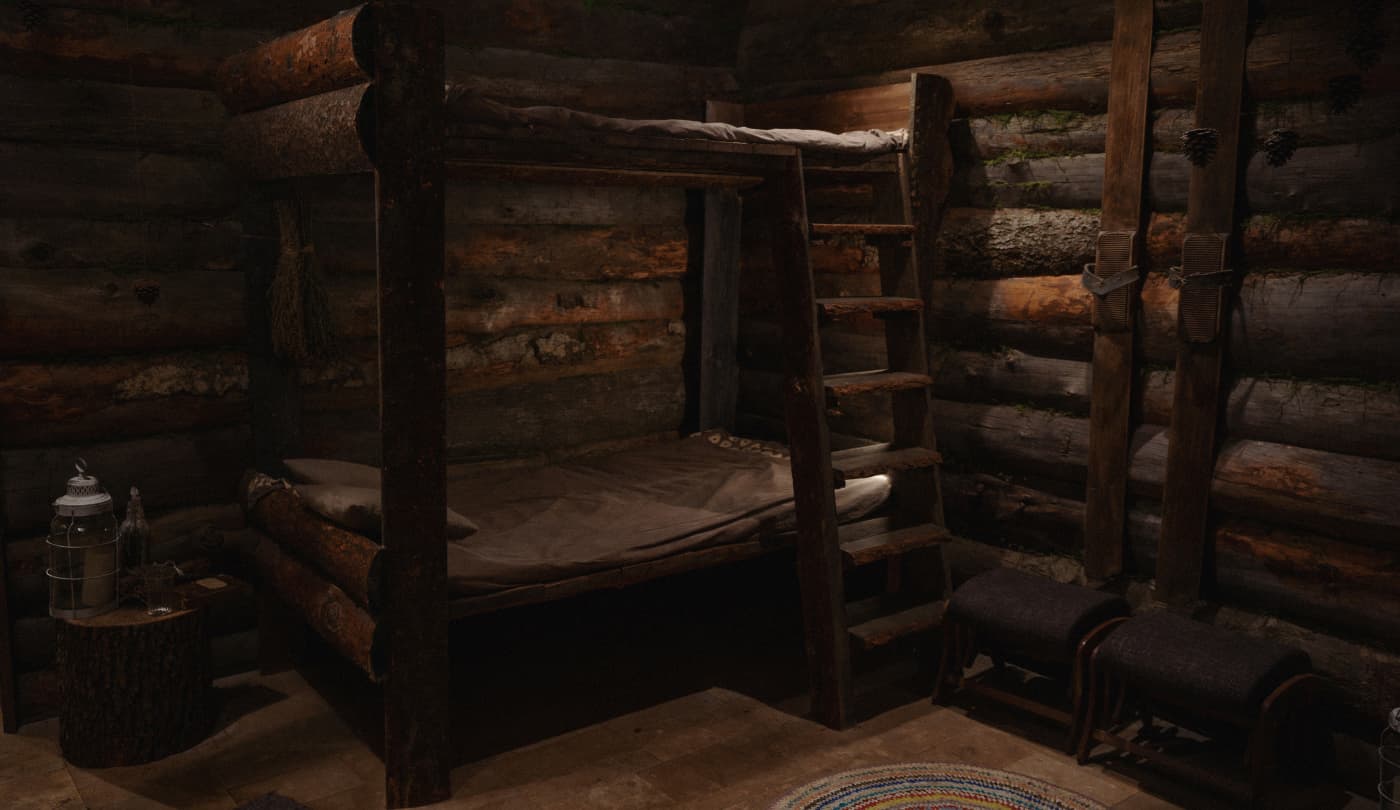
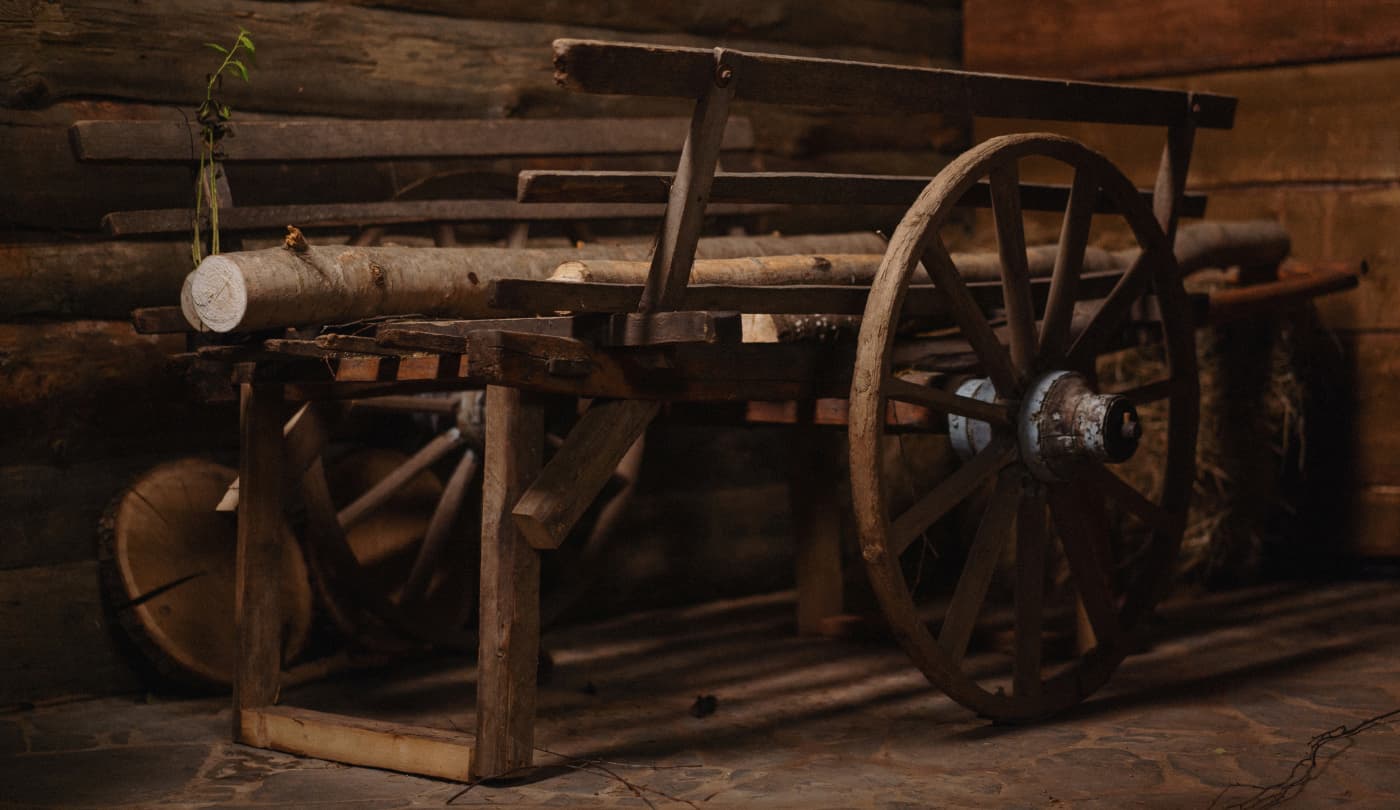
Historically, the first banyas had no chimney: smoke entered the room, warming and disinfecting it, but soot and grime settled on the walls, gradually turning them coal-black, leading this type of banya to be called a «black banya.» A door or a small window under the log ceiling was used for ventilation.
After the coals had completely burned out, the surfaces were washed with water to remove the soot, the doors and window were closed, and the banya was allowed to steep for 15-20 minutes. The coals burned out from the firebox were discarded, and no more wood was added.

The black banya, with which the history of the Russian banya began, was traditionally quite small. The white banya, however, is not limited in size.
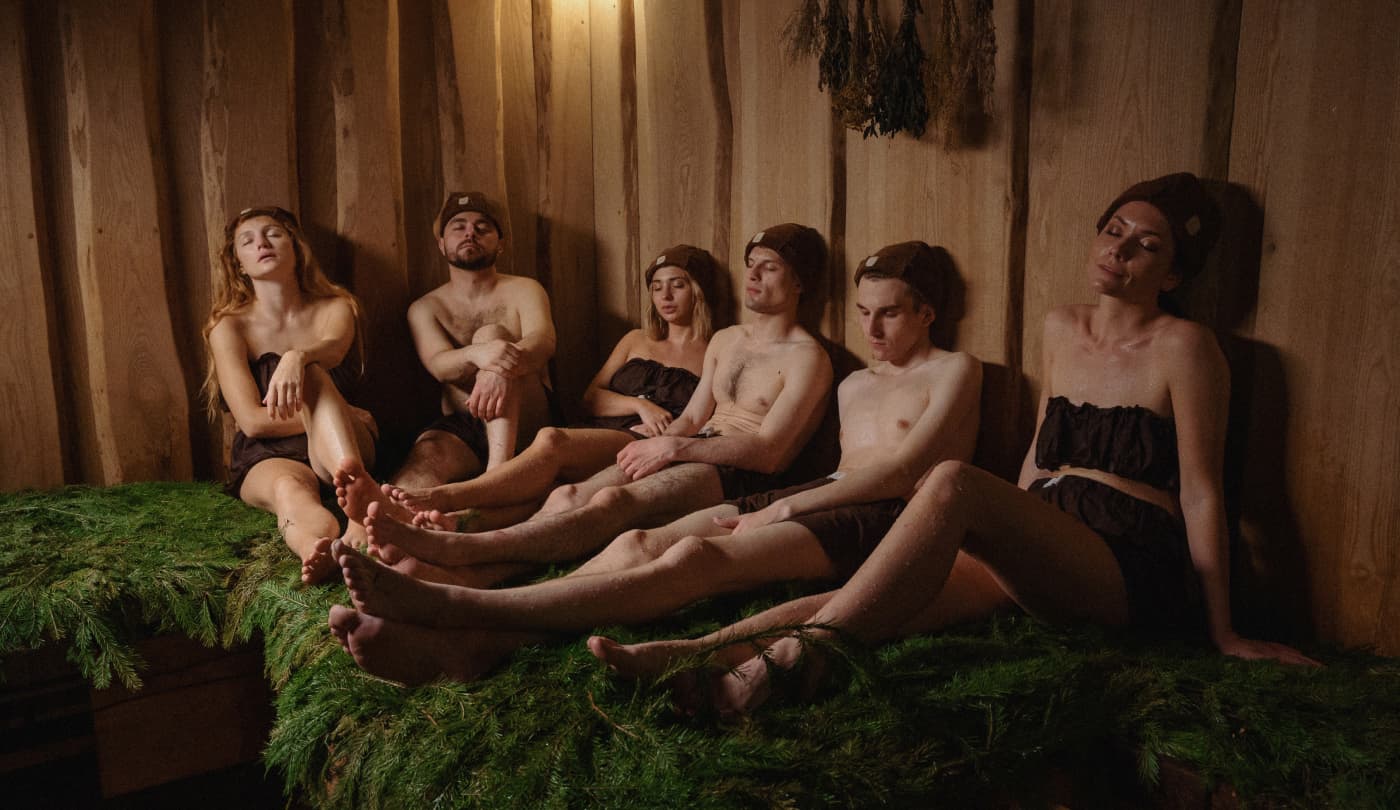
Modern white banyas feature a changing room, a steam room with a stove and benches, and a relaxation room where you can drink kvass, tea, or fruit drink. The warm and spacious changing room is ideal for relaxing and cleansing treatments: massages, body wraps, and rubdowns. Some banyas feature an oak barrel, a shower, or a small pool, which replaces the traditional snow rub or river bathing.
Dried herbs and flowers are often hung in the steam room and changing room, and only natural wood is used for finishing. This is crucial: when wood heats up, it naturally releases essential oils that smell pleasant and, when combined with the gentle steam, act as an inhalation. It’s not for nothing that they say, «The banya warms and heals the Russian person.»

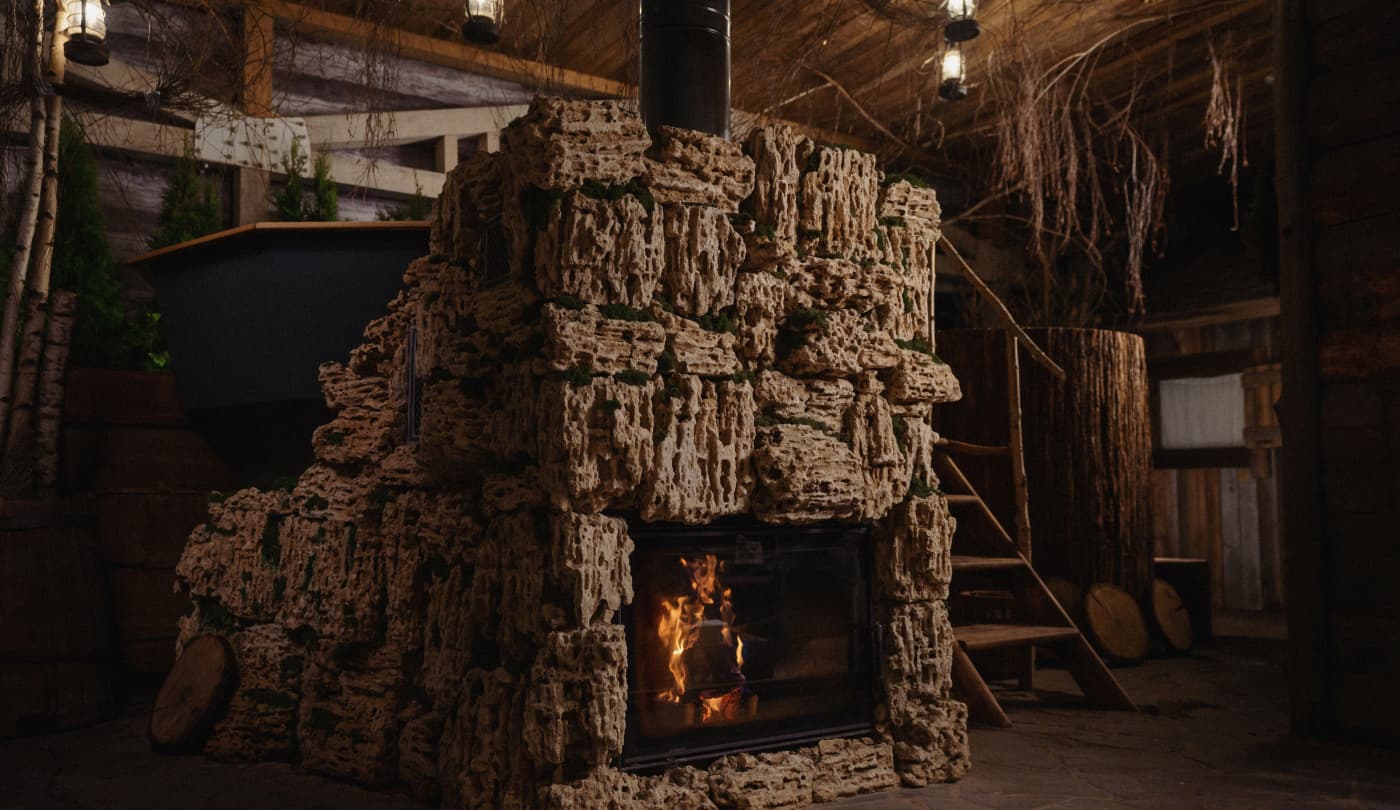
White steam in a banya is created by pouring water over hot stones. You can add a few drops of essential oil to the water or use herbal infusions instead—this will fill the steam room with a pleasant aroma and provide a healing effect.
The therapeutic effect of visiting a banya is difficult to overestimate. The body receives a boost of energy, and regeneration and renewal processes are initiated. Alternating bathing procedures with snow rubbing or dousing with ice water strengthens the immune system and strengthens the body.
For a Russian, a banya is more than love!
The history of the Russian banya is perhaps the richest and most complex compared to the histories of banyas in other countries. In Rus’, the banya has always been important for every person throughout life. Visiting a banya literally became a cult, and many beliefs, rituals, and traditions were associated with it.
Banya procedures were believed to cleanse not only the body but also the soul, hence the proverb: «A banya will wash away all sins.»

No celebration was complete without a visit to the banya, and an invitation to the banya was an important part of Russian hospitality. Guests were first invited to the steam room, and only then seated at the table.
The banya was visited before weddings, Christmas fortune-telling was performed there, children were born there, and healers used it to treat various ailments.
Historian and ethnographer Nikolai Ivanovich Kostomarov wrote that people often went to the banya not only to wash and improve their health, but also for relaxation. He believed that for Russians, visiting the banya was a natural need, a tradition that neither children nor adults of any class violated.
Today, visiting the banya is not so much about hygiene as it is about pleasure, unique aesthetics, and healing. The banya relaxes, provides peace, and enjoys natural aromas and soft sounds. The crackling of burning wood, the cozy warmth, and the aromatic steam create an open mood, evoke pleasant emotions, and allow you to forget the frantic pace of modern life.
Conclusion
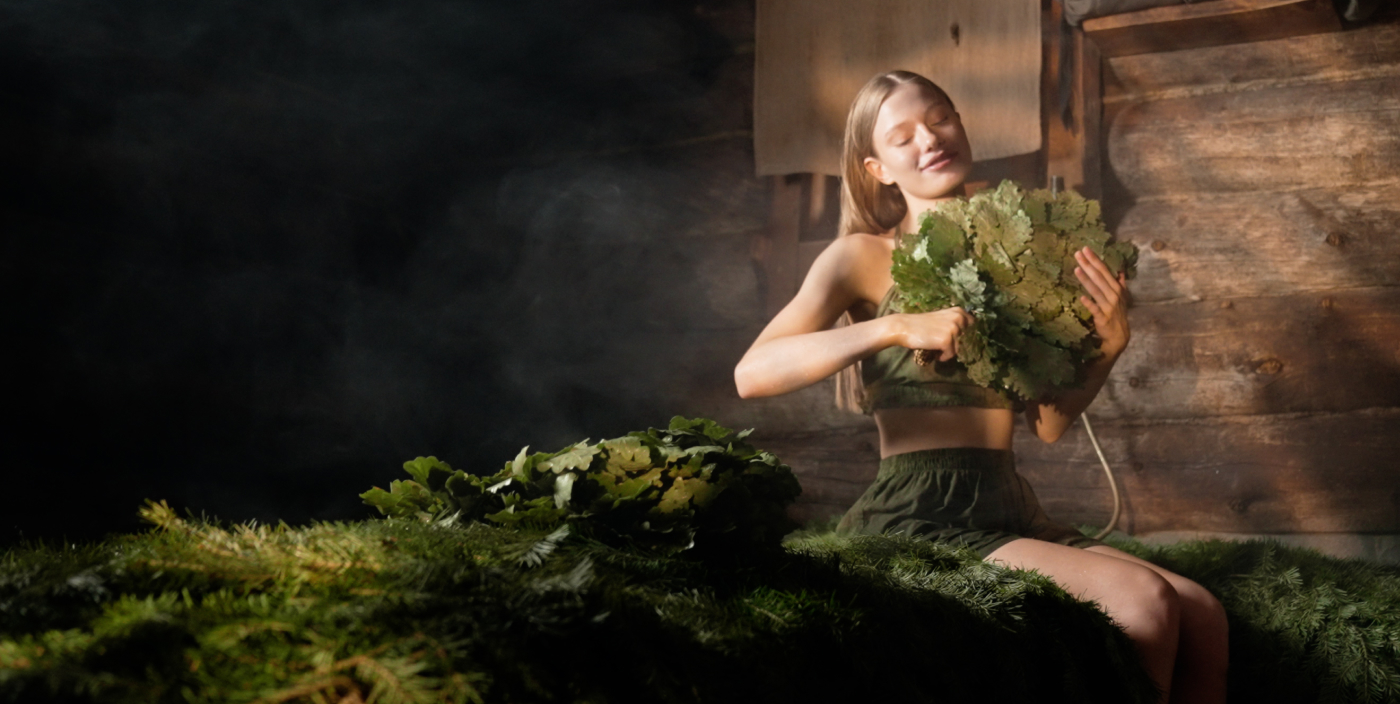
The history of the Russian banya can be studied at length and in detail, but the main secret of the people’s love for bathing procedures is simple: it cleanses, heals, and relaxes all at once. The contrast of temperatures tightens the skin, while the warming and steaming stimulate the lymphatic system. A birch whisk massage tones muscles, improves circulation, and restores balance to the nervous system.

At Siberia, we’ve embodied the best traditions of the Russian banya, combining history and modern technology. We invite you to recharge, gain new experiences, immerse yourself in the culture of different corners of our country, and learn a little more about the history of the Russian banya.
Here you can relax with family or friends, hold a business meeting, make an important decision, or get to know yourself better. But most importantly, begin your journey to health and pleasant discoveries.
Come to Siberia. Here you’ll experience the full benefits of water, fire, herbs, and the hands of our steam bath masters. Talk and be silent. Relax and invigorate.