The History of the Russian Banya
The history of the Russian banya is a microcosm of our cultural history. Steaming in the banya is one of the oldest and most beloved traditions of Russian people. It was originally a place where people didn’t just wash for hygiene, but also where they relaxed their bodies and souls, improved their health, negotiated with otherworldly forces, and even divined the future.
Not all traditional rituals of the Russian steam room have survived to the present day, but even today, people use the banya for relaxation, health-improving treatments, and even to strengthen relationships with loved ones. How did it all begin? What were the first banyas like, and how did steaming in Rus’ differ from that in Europe?

How the Russian Banya Came About
It seems that the banya, in one form or another, has always existed in the territories of what would become Rus’. In the 5th century BC, the ancient Greek historian Herodotus wrote that the Scythians living in Ukraine used a banya. It was portable and small: a three-legged yurt covered in fabric. A cauldron was placed in the center of the yurt, into which stones preheated over a fire were thrown. Periodically, water with various herbs was poured over the stones.
Even then, bathing procedures were not only hygienic but also ritualistic: for example, it was necessary to wash after the funeral of a fellow tribesman.
The history of the true Russian banya began in the Common Era. The Russian banya, formerly called a mylnya, mov’, or movnitsa, is frequently mentioned in historical documents from the 10th to 12th centuries. Chronicles indicate that banyas were widespread among the Eastern Slavs from around the 5th century AD.
The first version of the banya was, oddly enough, simply a Russian stove. For bathing, the floor of the stove «room» was lined with straw, and medicinal infusions could be added to a vat of water placed inside. The result was akin to modern aromatherapy, with inhalations of steamed straw and various herbs. You couldn’t really wave a broom in such a banya, but you could wash yourself until it squeaked and warm up thoroughly.

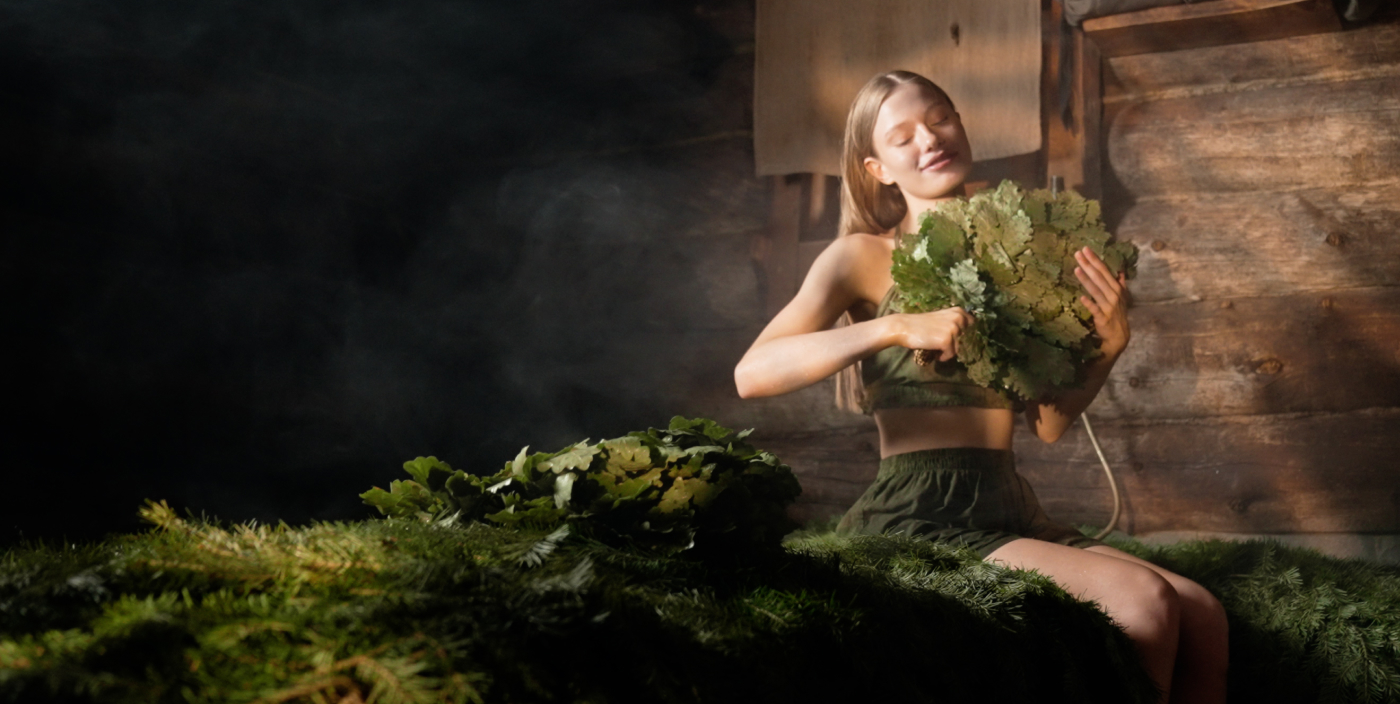
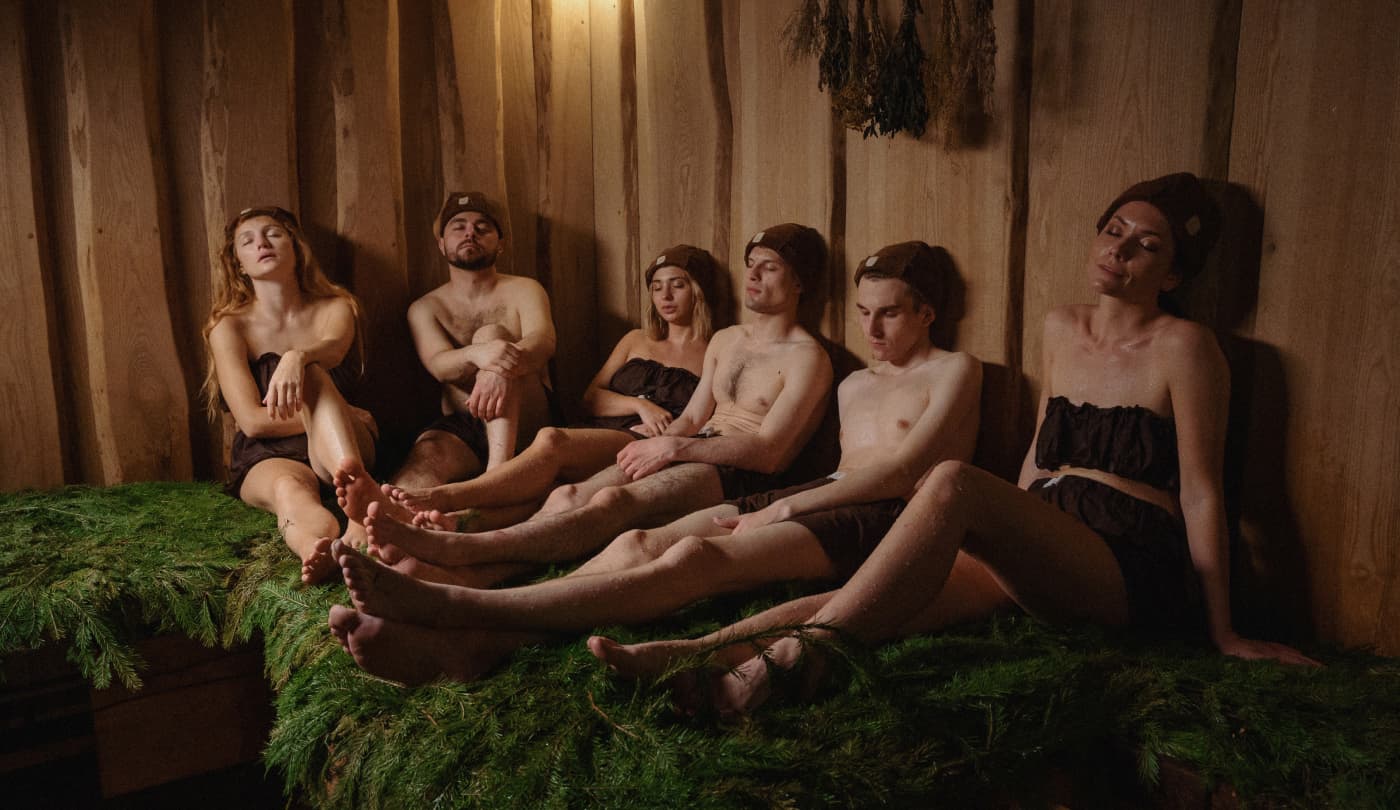
The distinctive feature and main attribute of the classic Russian banya is moist steam, which warms the body and opens the pores. The air in a Russian banya is soft, «embracing,» no hotter than 70 degrees Celsius. Humidity is 40-60%. This microclimate allows for a good warm-up, a recharge, a boost in health, and the opportunity to experiment with steaming to your liking: this is why Russian banyas actively use brooms made from the branches of medicinal trees, various rubs, and scrubs.
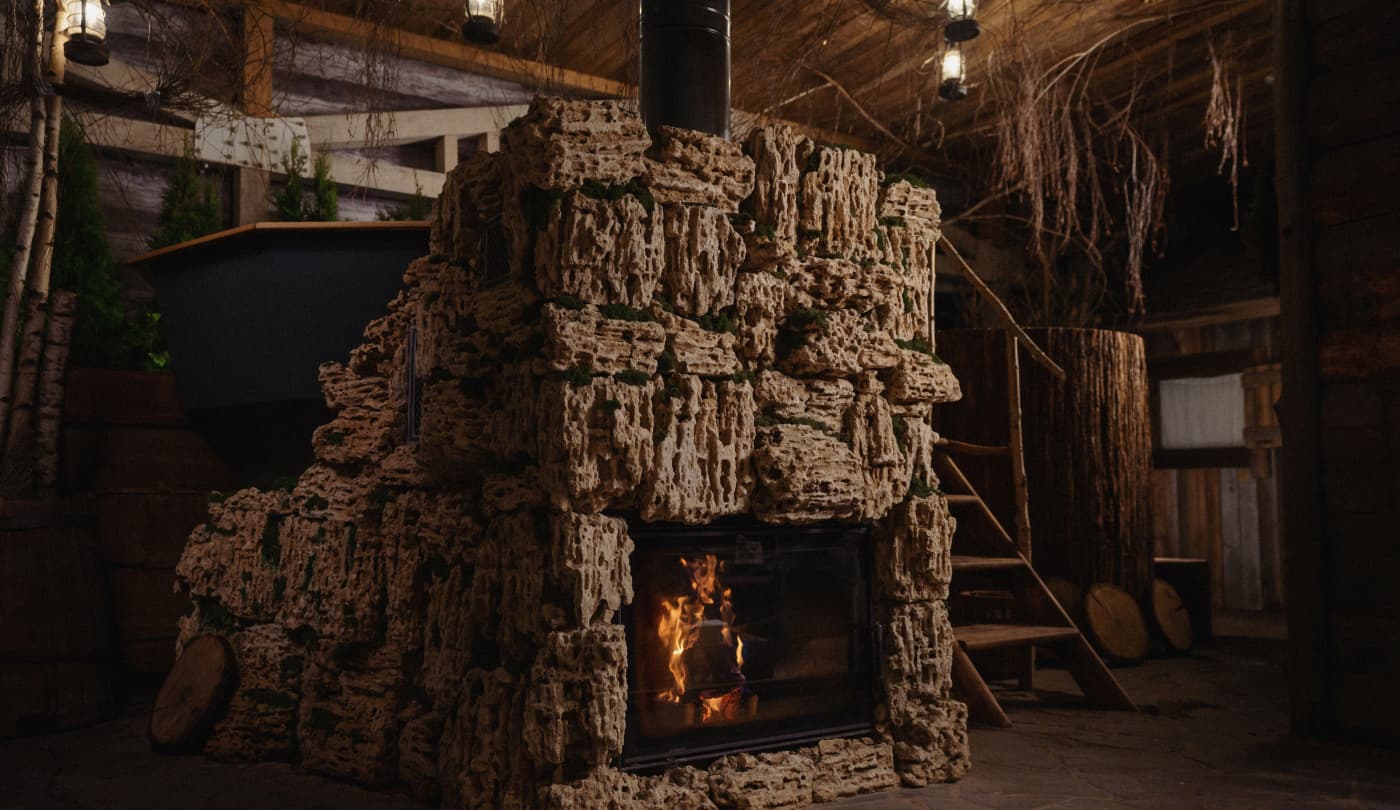
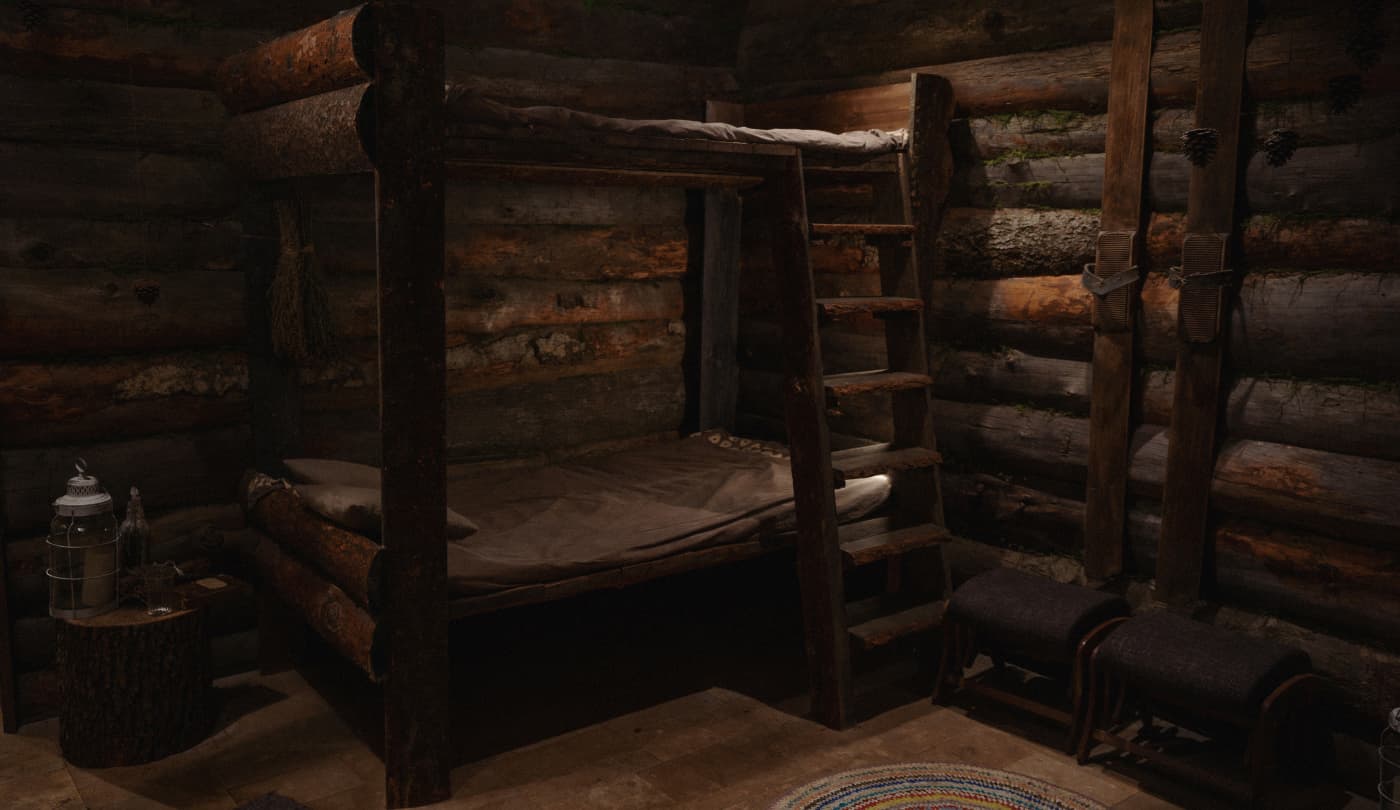
Later, small wooden log cabins appeared, erected at the far end of the yard from the main house or closer to a body of water if they lived near a river. These were small structures without a dedicated chimney, with a low ceiling and a boulder stove in the corner. Steam was created by periodically pouring water over the hot stones.
Gradually, the traditional banya grew in size, evolving from a small log cabin into a larger structure with a steam room, an anteroom, and a relaxation room.
By the second half of the 19th century, bathhouses had become widespread, appearing in the backyards of almost every village home, while public bathhouses were actively built in cities.

Unwashed Europe and Clean Russia
The history of the European banya is not as rich as that of the Russian banya. There were bathhouses in Europe, but they were not private, as in Rus’, but public. However, bathing procedures weren’t particularly popular among Europeans.
So why did Europeans neglect bathhouses, go for long periods without washing, content themselves with rubdowns, or even do without them altogether?
The main reason is believed to be the Catholic Church. Clergy prohibited all ablutions except symbolic ones performed in church. Water procedures were seen as entertainment, and the Church disapproved of public baths, as they weren’t always used for their intended purpose, but rather indulged in debauchery. After such practices, people contracted syphilis and other diseases, but often blamed the water rather than their lifestyle.
Epidemics also had a negative impact on hygiene. Doctors supported the belief that water was the cause of many diseases. It was believed that water opened up pores, allowing diseases to enter the body. Naturally, this led to a frequent medical recommendation to avoid washing. Drinking clean water, incidentally, was also discouraged, suggesting milk, beer, cider, or wine instead.
Fuel shortages were another common cause of hygiene problems. Dense urban development, widespread deforestation, and the resulting high cost of firewood made thorough hygiene of the entire body a luxury.
While the history of the Russian banya was being forged in Rus’, with bathing traditions and rituals emerging, Europe was mired in filth and epidemics. The church’s ban on bathing culture led to lice being called «God’s pearls,» and special saucers for crushing fleas became an integral part of the dinner table.
Even the European fashion for wigs arose not only for the quick change of appearance and the ability to flaunt different identities, but also as a way to get rid of lice and conceal hair loss from lead, mercury (these elements were found in cosmetics and medicines), and illness.
Another invention that arose from the lack of basic hygiene was perfume and cologne. French and German pharmacists and perfumers invented them primarily to mask the odor of foul, unwashed bodies with the fragrance of strong fragrances.

In Conclusion
The history of the Russian banya is rich in superstitions and traditions. Some have been forgotten, while others remain to this day—for example, the joyful rubbing of snow on oneself and the skillful use of birch branches. One thing remains constant: the banya has been and will always be an important part of our cultural heritage.
At the Siberia bathhouse complex, we preserve the best traditions of the Russian banya and share our love for banya culture with our guests. Professional steam bath masters, spacious and cozy bathhouses, and delicious food made with Siberian ingredients await you. You’ll also experience extraordinary emotions and the opportunity to visit different corners of our country without leaving Moscow.
Come and deeply cleanse your body and soul, the Russian way, at Siberia.