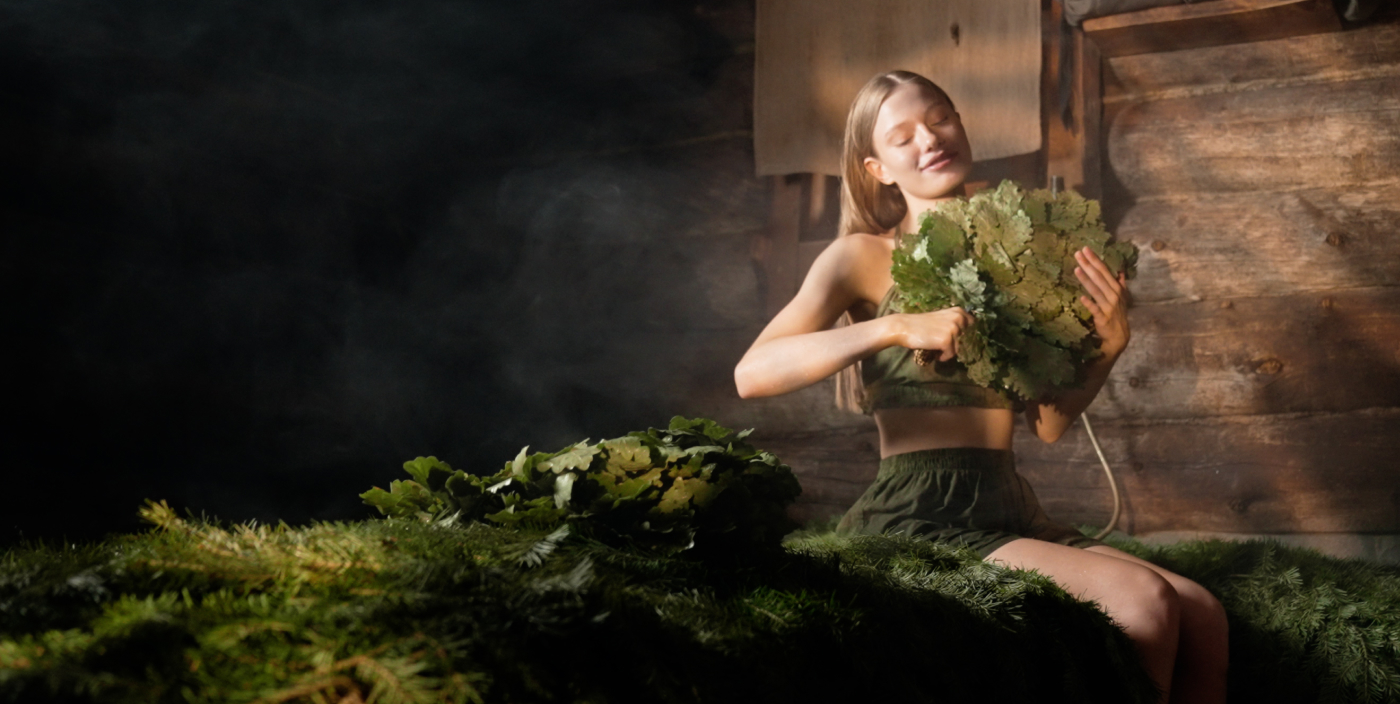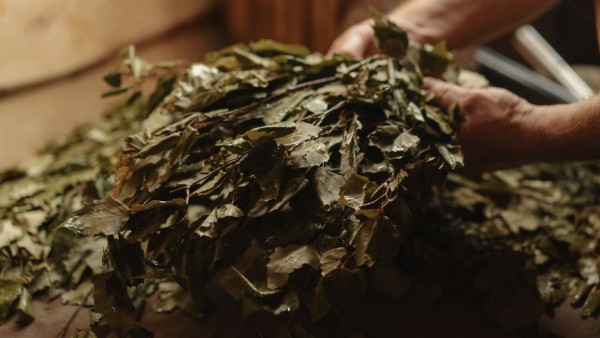
With a venik, the effectiveness of sauna treatments, and therefore the health benefits, doubles. You can certainly build a luxurious sauna and maintain the optimal temperature and humidity, but without the right venik, the pleasure of steaming will never be complete.
A well-prepared venik actively releases essential oils, fills the steam room with a pleasant aroma, and doesn’t fall off after 2-3 strokes. The leaves don’t stick together, don’t swell, and effectively «circulate» steam. Steaming with such a venik improves blood circulation, increases perspiration, which accelerates metabolism, and opens and cleanses pores.
In this article, we’ll explain how to properly steam a venik so that it’s flexible, fluffy, and springy, and the leaves are fresh.

General recommendations
Properly steaming a bath whisk isn’t difficult. The key is to consider a few nuances, and your steaming experience will be as enjoyable and beneficial as possible.
You can steam a bath whisk in a variety of ways. To choose the right one, consider:
When the twigs were prepared. Steaming dried and fresh bath whisks differs.
What is the whisk made of—birch, linden, oak, coniferous branches, or medicinal herbs?
How much time is left to prepare for the bath?
Siberia steam masters recommend following these rules when preparing bath whisks:
A fresh, freshly prepared bath whisk doesn’t need to be steamed. Rinsing it thoroughly is sufficient.
You should also rinse the bath whisk you’ll be steaming. Use running water or a large container to thoroughly wash away dust from the leaves and branches.
You can restore the elasticity, flexibility, and volume of a last year’s or overly dry broom by treating the branches, one by one, with hot water and steam from a sauna stove.
Frozen brooms should be completely thawed before steaming. This is best done in a warm room: a house, apartment, or a heated sauna.
You can add aromatic oils or herbs to the steaming water to make the broom more pleasant to use.
To prevent the branches from becoming soggy and losing their strength, and to prevent the leaves from becoming too heavy, the steaming process must be carefully monitored.
Methods for Steaming Deciduous Brooms
There are several methods for steaming deciduous brooms. Choose one based on the condition of the broom and the amount of time you have available.

Steaming a fresh bath whisk
There’s no need to steam a fresh bath whisk—just rinse it with warm water. This will increase the strength and softness of the branches and bring out the aroma of the leaves.
According to the experience of Siberia steam bath masters, fresh bath whisks that haven’t yet had time to dry are ideal for aromatherapy and massages. However, a dried and properly steamed bath whisk provides the best massage effect.
Steaming in a Bag
Preparing the bath whisks this way will take 2 hours. You’ll need a large bag (it must be intact!) that will easily accommodate the whisks.
Soak the clean bath whisk in warm water for 3-5 minutes, then, without shaking it, place it in the bag. Tie the bag and place it on the top shelf of a heated steam room, ensuring the air temperature is at least 50 degrees Celsius (122 degrees Fahrenheit). After 1.5-2 hours, you’ll have the perfect bath whisk: light, fragrant, and not soaked in water.
If you don’t have that much time, you can speed up the steaming process. Pour 2.5-3 liters of hot water into a bag with a wet broom and place it on the bottom shelf so that the water doesn’t leak. In about half an hour, the broom will be ready for steaming.
Steaming with a sauna stove

Another way to properly steam a bath whisk is to use a sauna stove.
Shortly before steaming, splash water or herbal infusion on the stove and hold the whisk in the resulting steam. Rotate it slowly so that the steam evenly affects the leaves and twigs. After this procedure, the most important sauna tool will become moist and fluffy, but will not absorb excess moisture.
This steaming method is suitable for a steam room with a temperature no higher than 60 degrees Celsius and humidity of 55-70%. In sauna-like conditions, the whisk will dry in 3-5 minutes.
Steaming with Hot Water
When there is very little time left before steaming, it is best to steam the whisk with hot water. This is a quick and effective method.
Rinse the whisk, place it in a basin, and pour hot water over it for 3-6 minutes. Just don’t use boiling water, as this will cause the beneficial substances from the leaves to remain in the basin.
While the whisk is in the water, gently turn it over several times, then place it on a shelf and rotate it halfway—this will keep the branches pressed together more tightly. Cover the whisk with a basin, ladle, or another used whisk to protect it from drying out.
This method allows you to quickly and properly prepare the whisk for the sauna and bring out its aroma. To enhance the benefits of the steaming experience, you can add a cinnamon stick or chopped ginger to the hot water.
Steaming in Cold Water

A whisk soaked in cold water preserves its beneficial properties and becomes especially fragrant, plus it holds its leaves better. However, this preparation takes 7-8 hours, so it’s best to start well in advance—for example, the night before.
In the evening, prepare a container of cold water and place the whisk handle down in it. Leave it overnight. 45-60 minutes before your steam bath, bring it into the steam room and cover it with a towel or sheet to warm it but not dry it out.
If time is short, a quicker method is available. In a room with a temperature no higher than 25 degrees Celsius, place the container of cold water and immerse the whisks in it. After 3-4 hours, bring the container into the steam room while the sauna is heating up. The water will gradually warm up, speeding up the steaming process.
There’s also a quicker way to soak a whisk in cold water. Submerge the broom, leaf-side down, in cold water for half an hour—this will revive the twigs and leaves (do not wet the handle). Then, place the broom in a basin of hot water for 3-5 minutes. Avoid using boiling water, as it will ruin the broom.
Snow Steaming
Calling this method of preparing a broom «steaming» is incorrect; however, the essence is more important than the name. Many, including Siberia steam masters, consider this method the best.
In winter, brooms are taken outside, covered with snow, and removed from the snowdrift as needed. Each broom should be soaked in the snow for at least three days, and make sure the outside temperature remains below freezing during this freezing period. To thaw the broom, bring it into the sauna as soon as the stove is heated, and once the sauna is hot, steam it for a few minutes.
If it’s summer outside, a freezer can be used as an alternative to snow. Wet the birch broom, place it in a plastic bag, and place it in the freezer. Warm it over steam before use.
Steaming a Birch Broom
This is a true ritual that gives the Russian banya its special atmosphere, where every gesture and action is imbued with deep meaning and ancient traditions.
The process begins with choosing the broom: freshly cut birch branches with soft, green leaves, still scented with the forest and summer sun, create a feeling of natural freshness. It’s important that the broom be assembled correctly—with tender young leaves and strong yet flexible branches that bend easily without breaking.
When the broom is ready, it should be carefully rinsed in clean water, washing away dust and traces of forest soil. The water becomes slightly cloudy, infused with the aromas and sap of the birch leaves, and it seems as if nature itself is sharing its strength and freshness.
After this, the broom is dipped into a basin of hot water. The water shouldn’t be boiling, so as not to burn the leaves, but hot enough to unlock their power. The broom is left to soak in the water for about 10-15 minutes. This is the most crucial moment. The leaves swell, absorb the water, and become soft and pliable. Their green color becomes more vibrant, and the subtle, sweet aroma of a birch forest begins to fill the air. The water takes on a slight greenish tint, as if all the tree’s vitality is transferred to this seemingly simple object.
When the broom has steamed sufficiently, it is lifted from the water, allowed to drain off excess moisture, and is now ready for its intended purpose. In the hands of the bathhouse attendant, this broom becomes an instrument of healing and purification. Every stroke, every wave of the broom is more than just a massage; it is a transfer of energy accumulated by nature. A birch broom, gently touching the skin, not only gets the blood flowing but also fills the body with warmth, freshness, and strength.
Steaming with pine brooms

So, we’ve figured out how to steam a deciduous bath whisk. Now it’s time for coniferous ones.
Frost steaming is not suitable for whisks made from juniper, spruce, fir, and other coniferous trees. They should always be steamed with hot or boiling water and left to soak for at least half an hour. For best results, place the whisk container on a high shelf and cover with a lid.
You can enhance the healing properties of coniferous whisks by adding rock or sea salt and a few drops of tea tree oil to the water.
After steaming, rinse the whisk with warm water—this will cool the needles slightly and prevent burns. It’s important to begin using a coniferous whisk no earlier than your second visit to the steam room. First, warm up and steam your skin thoroughly; this will prevent the needles from irritating your skin and causing discomfort.
Preparing Herbal Bath Whisks
Herbal bath whisks are made from beneficial herbs and plants, such as mint, sage, and chamomile. They are typically not used for steaming, but rather for aromatizing the air: they are placed in the corners or hung from the ceiling of the steam room, without rinsing or pre-soaking. The steam and high temperature will quickly infuse the sauna with a pleasant aroma of mixed herbs. A few stems of mint, chamomile, St. John’s wort, or another aromatic herb can be added to the birch bath whisk during preparation.
The only herb suitable for steaming is nettle. There’s no need to steam it; simply immerse it in cold water for a few minutes. A nettle bath whisk is helpful for joint and back pain, and to ensure a comfortable steaming experience, use it after your body has thoroughly warmed up—for example, during your third visit to the steam room.
Recommendations
Use only properly prepared bath whisks, ones that don’t shed their leaves—this will ensure you get the most benefit and enjoyment from your sauna experience. If the whisk wasn’t prepared in time or stored improperly, no amount of steaming will prevent the leaves from shedding.
It’s a common misconception that bath whisks can only be used once, as repeated steaming will cause them to lose their aroma, flexibility, and beneficial properties. Of course, even a properly prepared bath whisk will become stiff and shed its leaves after a few uses. However, if it hasn’t lost its volume after the first use, you can definitely use it a couple more times—just don’t expect a strong aroma.

The water left over from the steam bath contains beneficial elements. Pour it onto the hot stove to scent the air or use it for washing.
Respect the duration of the steam bath: beginners should massage with a whisk for no more than 5 minutes, while experienced sauna enthusiasts should massage with a whisk for no longer than 10.
Be sure to take 20-30 minute breaks between steam bath visits. During this time, you can sit in the relaxation room, drink kvass or herbal tea, or step outside for some fresh air.
Conclusion
A sauna whisk is more than just a sauna accessory; it’s a true source of health and energy. Now that you know how to properly steam a sauna whisk, you can get not only pleasure but also maximum benefit from your steam bath.
If you’re not ready to prepare and steam your whisks, or to follow all the details, but still want to fully relax and recharge, come to the Siberia sauna spa complex. Professional steam bath masters will be happy to introduce you to bathhouse traditions.