Honey in the sauna: benefits and how to use it
Honey has long been known for its beneficial properties, and people are no less aware of the benefits of the banya. But not everyone realizes that combining honey and banya treatments is not only pleasant but also beneficial for the body.
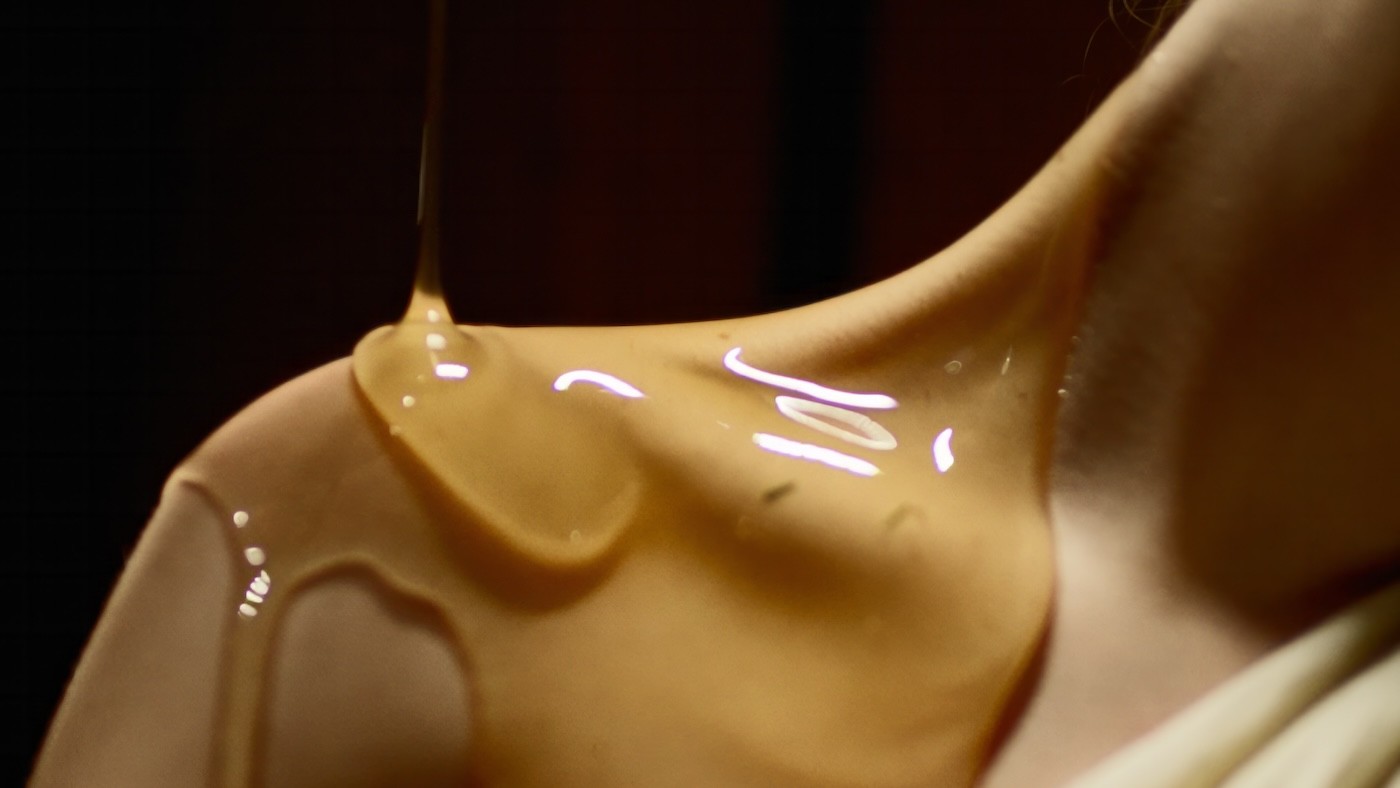
Honey can be eaten and applied to the body during the banya: it increases sweating, deeply cleanses the skin, and makes it soft and velvety. Regular use of honey in the banya helps get rid of acne, improves skin tone, and smoothes fine wrinkles. In addition to its cosmetic benefits, honey also has a therapeutic effect: it relieves inflammation, accelerates the healing of cuts, and reduces muscle and joint pain. Inhaling a special honey steam cleanses the lungs and improves respiratory function.
In this article, we’ll explain how and why to use honey in the banya, which one to choose, and what else to prepare for the treatment to get the most benefits.

Honey and Salt in the Sauna: Benefits and Harms
The combination of salt and honey in the sauna is an excellent alternative to store-bought skin care products. A honey-salt scrub deeply cleanses the skin, improves its condition, and even prepares it for an even tan. Salt acts as an exfoliant, removing dead skin cells. Honey saturates the skin with beneficial substances and promotes sweating, which is how sweat removes large amounts of salts and harmful substances from the body. At the same time, restorative processes are activated.
To make your own honey-salt scrub, simply mix 2 parts salt and 1 part honey (for example, 200 grams and 100 grams). You can use any salt, as long as it’s coarsely ground; sea or Himalayan salt provide the best exfoliating effect. Place the mixture in a warm place for 15-30 minutes, but be careful not to overheat the honey, otherwise the scrub will lose some of its beneficial properties.
Apply the scrub using circular massaging movements to areas requiring special attention: buttocks, thighs, arms, and décolleté. Scrub for about 3-5 minutes, and after the massage, you can leave the scrub on as a mask. This treatment leaves the skin soft and smooth, cleanses pores, improves circulation, boosts collagen production, and reduces swelling.
For bath treatments, salt can be combined not only with honey but also with natural oils:
Olive oil with coarse salt is ideal for softening the skin of the feet. This removes old, rough cells, rejuvenating the surface of the feet and eliminating dryness.
Shea butter mixed with fine salt creates a nourishing mask-scrub for dry skin on the face, elbows, and knees. This scrub deeply cleanses, moisturizes, and smoothes the skin, improving blood circulation.
Add cocoa butter to the salt, and you’ll have an excellent remedy for sagging skin, cellulite, and stretch marks.
Treatments using sea salt alone are equally effective. Salt helps open pores, initiates regenerative processes, smoothes uneven skin, and improves microcirculation.
Before a salt scrub, it’s important to thoroughly cleanse and steam your skin. To do this, wash with soap and visit the steam room 2-3 times, with no more than 15 minutes between sessions. When your skin is ready for the treatment, lightly moisten the salt with water and apply it to your face and body using gentle massage movements, avoiding contact with the eyes and skin around the eyes. Your skin will feel velvety smooth after this treatment.
Inhalation is another option for using salt in a sauna. Dilute 0.5 cups of salt in a liter of water and periodically sprinkle the hot stones with the solution. Or simply leave a cup of salt in the steam room for 15-20 minutes. The effect will be similar to that of a salt cave.
However, keep in mind: using honey and salt in the sauna is contraindicated if you have a fever, skin inflammation, varicose veins, or an allergy to bee products. Exfoliating more than once a week can also have negative consequences, including thinning and increased sensitivity of the skin and increased sebum production.

What kind of salt is used in a banya?
Different types of salt can be used in a banya. The most commonly used for banya treatments are:
Rock or table salt—that is, regular salt used for cooking. It is used for warming, rubbing, scrubbing, massage, and inhalation.
Sea salt—a natural source of trace elements beneficial for health and normalizing the body’s functions. Sea salt helps with musculoskeletal disorders, stimulates tissue regeneration, and has anti-inflammatory properties. Inhalations with sea salt improve emotional well-being and help relieve stress.
Himalayan salt—this type of salt is considered the most environmentally friendly. It comes in pink, red-orange, and black. In banyas, it is most often used to create salt rooms, purify the air, and after cosmetic treatments with Himalayan salt, the skin becomes softer and smoother.
Using honey in a banya: how to choose it and prepare it for treatments?
For proper sauna treatments, it’s important to choose only natural products: pure honey without any preservatives, thickeners, fragrances, or sugar syrups. Only then will using honey in the sauna be both pleasant and beneficial.
It’s best to buy honey from trusted producers—this way you’ll avoid counterfeits and be confident in the product’s quality. If you’re unsure which sellers to trust, try a simple test. Drop a small amount of honey into water: low-quality honey will sink, while high-quality honey will float.
The choice of consistency depends on how you plan to use the honey in the sauna. Fresh honey, which flows easily from a spoon, is best for masks—this texture makes it easier to apply and absorbs faster. Candied honey (after some preparation) can also be used for masks. Simply melt it in a double boiler or place it near the stove, but don’t overheat it to preserve its beneficial properties. If the honey is still not liquid enough after heating, you can dilute it with herbal infusion or warm, clean water.
For anti-cellulite massages and scrubs, it’s better to choose candied honey: this way, you’ll need less honey, and the beneficial effect will be greater.
The color of honey depends on its variety: for example, linden honey is amber, almost transparent, buckwheat honey is pale brown, and mixed-herb varieties can be white, yellow, or dark brown. The key is to have a uniform, even color, without any inclusions, or at most, with barely noticeable color transitions.
The aroma of proper honey is rich, pleasant, and fragrant, without chemical fragrances, fermentation odor, or acidity. If honey looks beautiful and has a uniform color, but has an unpleasant odor, it’s spoiled and will not be beneficial.
The taste of honey is unimportant for bath treatments. The main thing is that it is natural and has a pleasant aroma.

Honey massage and rubbing in the sauna
Using honey makes sauna treatments 2-3 times more beneficial for the body. We’ve already discussed the use of honey in the sauna as a scrub, but there are also honey massages and rubbings.
Honey massage originated in Tibet and quickly gained popularity among spa and sauna enthusiasts. This treatment is not only pleasant but also beneficial: it helps eliminate toxins, tones, reduces swelling, and, with regular sessions, significantly reduces cellulite. For best results, it’s best to perform the massage after your second visit to the sauna, not before.
Honey is applied to the body without rubbing. During the procedure, the massage therapist should press their palms firmly against the skin and then quickly remove them, gradually moving from the bottom up. Particular attention should be paid to problem areas such as the thighs and buttocks. The massage lasts about 15 minutes, then the honey mixture is washed off with warm water.
Honey massage helps deeply cleanse pores, increase sweating, and improve skin tone. After your third or fourth visit to the steam room, take a warm shower and begin the massage. Apply the honey with light, massaging movements, without applying excessive pressure. After application, leave the honey on your body for 10-15 minutes, then rinse thoroughly. This massage replaces soap washing and scrubbing.
The best way to end your sauna experience is to relax with a cup of tea or herbal tea with honey. This drink will quench your thirst, lift your mood, and give you energy.
How to Use Honey in the Sauna: 5 Tips
Honey has many uses in the sauna: masks, inhalations, soapy washes, and a delicious and aromatic addition to herbal teas.
Honey is most often used in the sauna as a body mask and scrub.
Want to strengthen your hair and give it a beautiful shine? Melt a tablespoon of honey in a double boiler, add 2 tablespoons of olive oil and 2 egg yolks, and mix thoroughly. Massage the mask into your hair and wrap your head with a towel for an hour.
A creamy honey mask will help make your body skin supple and velvety.
Mix equal parts sour cream and honey (approximately 200 grams each) and massage this mixture into clean skin using circular motions. After 15 minutes, rinse with warm water.
To enhance the effect of soapy washes, dilute honey with warm water to the consistency of thin sour cream. First, wash your body with soap, then with this liquid honey. After each wash, rinse your skin thoroughly with clean water.
Before applying honey to your skin, especially your face, test for an allergic reaction.
To do this, apply a small amount of honey to your wrist and wait 15-20 minutes. If the skin doesn’t turn red, itch, or swell, you can safely begin honey treatments.
To create a light honey aroma in the steam room, dissolve a tablespoon of the product in a glass of boiling water. This steam improves blood circulation and is a good preventative for colds.
Honey holds a special place in Siberian culture. We love it, value its taste, aroma, and beneficial properties, and strive to use it as widely as possible—from bathing procedures to preparing traditional Siberian cuisine.
At the «Znakhar» bathhouse, you’ll immerse yourself in honey steam on propolis mats. At the «Kochevnik» bathhouse, you’ll receive a honey-birch peeling and a cleansing rub with honey-herbal crumbs and mint. Scrubs with added honey are available in all bathhouses, and between visits, you can enjoy a honey-infused scrub.парной попробовать малосольные огурцы с гречишным медом или бруснику с липовым медом.

Conclusion
Using honey in a sauna is not only a pleasure but also beneficial for the entire body. The main thing is not to overdo it and not expect immediate results from honey treatments. As with other treatments, regularity is key.
To avoid possible side effects, consult a doctor before using honey in a sauna.